sales@normantherm.com
+977-9841230987

Why Tool and Die Makers Are Switching to Vacuum Furnace Technology

In today’s competitive manufacturing landscape, precision, consistency, and efficiency are more important than ever. For tool and die makers, traditional heat treatment methods often come with limitations such as oxidation, inconsistent hardness, long cycle times, and increased rework costs. Many manufacturers are now turning to vacuum furnace technology as a smarter solution.

Jul 26, 2026Technical Article

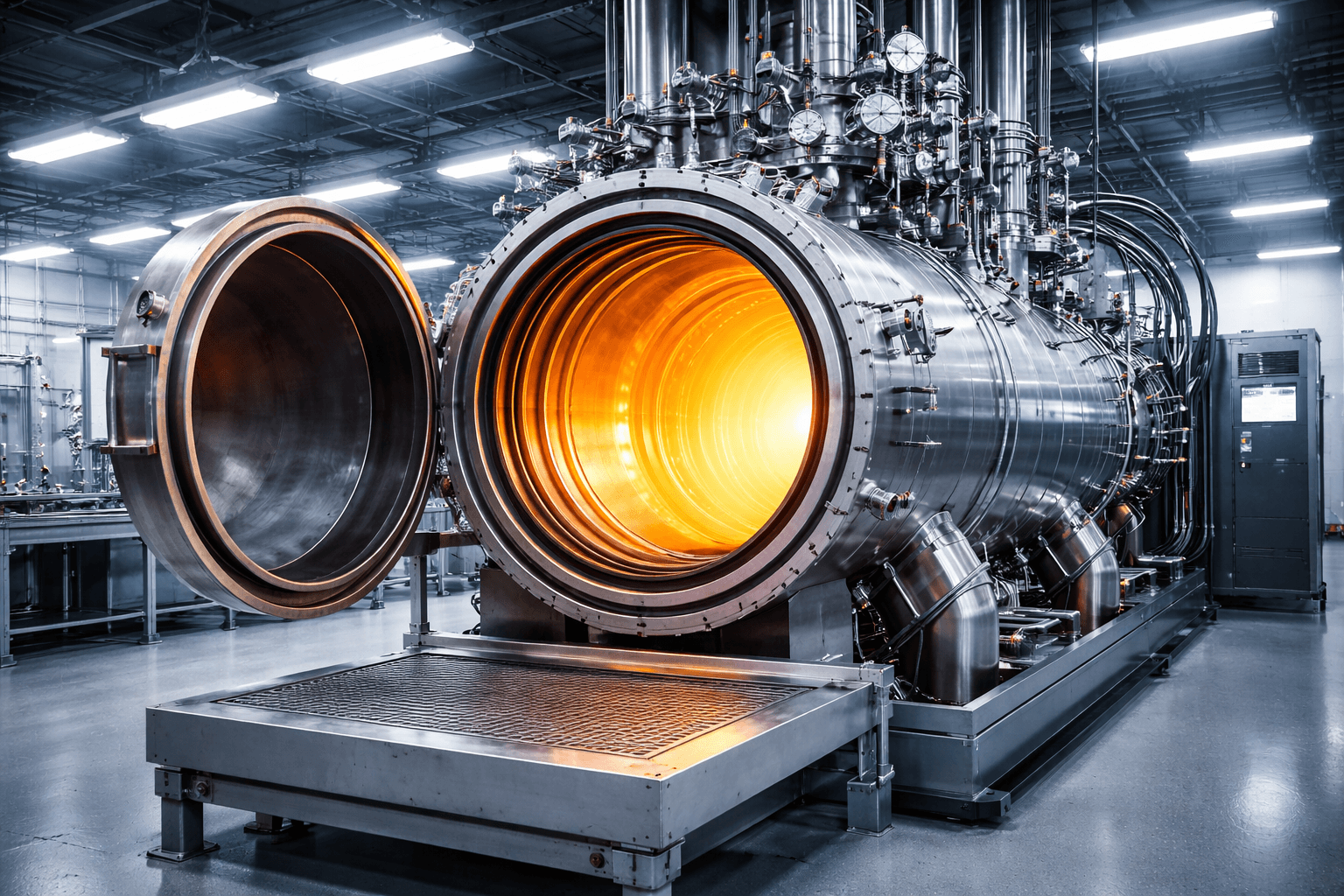
What is a vacuum furnace?

A vacuum furnace is a specialized heat treatment system that operates in a controlled, low-pressure environment. By removing air and contaminants, it prevents oxidation and ensures uniform heating. This precise control over temperature and atmosphere delivers superior material properties, reduced distortion, and consistent results every time.

Key benefits for tool and die makers

  1. Consistent Hardness and Precision: Vacuum furnaces provide uniform heating, ensuring high-performance tools and dies maintain their shape and mechanical properties.
  2. Reduced Oxidation and Surface Contamination: Operating in a vacuum prevents scaling and discoloration, eliminating the need for additional surface treatment and saving time.
  3. Faster Turnaround and Higher Efficiency: Optimized cycle control reduces energy loss and speeds up production while maintaining quality standards.
  4. Enhanced Material Performance: Complex alloys and high-strength steels respond exceptionally well to vacuum heat treatment, delivering improved toughness, wear resistance, and durability.
  5. Eco-Friendly and Cost-Effective: Closed-system operation with precise energy use reduces emissions and waste. Over time, it lowers rework costs and improves overall efficiency.

Applications in the tool and die industry

Vacuum furnaces are ideal for stamping dies, molds, cutting tools, and forming equipment, essentially any process that requires high precision, uniform hardness, and minimal distortion.

Why choose Normantherm vacuum furnace?

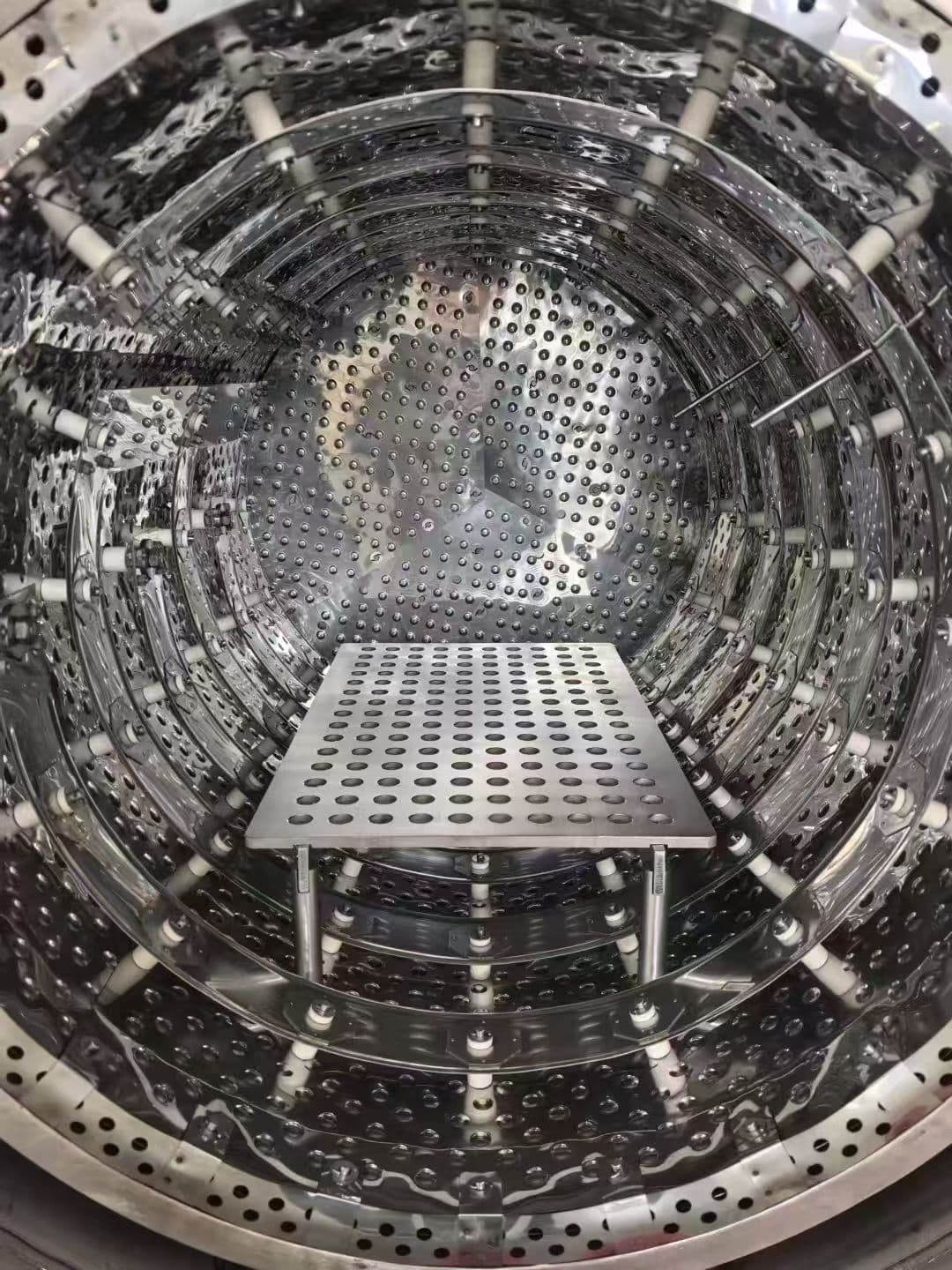
At Normantherm, our vacuum furnaces are available in different series and models, tailored to suit a wide range of applications. This flexibility allows tool and die manufacturers to select the ideal system for their specific needs, making Normantherm an even better choice. Our furnaces combine advanced technology with reliability and efficiency, helping businesses achieve superior material quality, consistent results, and faster production cycles. Upgrading to a Normantherm vacuum furnace means higher quality, precision, and a clear competitive advantage.

Similar Technical Articles

View Full Catalog
SiC vs Graphite vs Tungsten Hot Zones: Which Is Right for Your Furnace?
Technical Article

SiC vs Graphite vs Tungsten Hot Zones: Which Is Right for Your Furnace?

The hot zone is one of the most important components of a vacuum furnace. It directly influences the furnace's maximum operating temperature, heating performance, atmosphere compatibility, energy efficiency, maintenance requirements, and suitability for different materials and processes. Among the commonly used hot-zone materials, silicon carbide (SiC), graphite, and tungsten each offer different advantages. Selecting the appropriate material depends on the required processing temperature, vacuum level, atmosphere, workload material, contamination requirements, and application.

PCD, CVD & MCD Diamond Brazing with Vacuum Furnaces
Technical Article

PCD, CVD & MCD Diamond Brazing with Vacuum Furnaces

Normantherm Vacuum Brazing

What Industries Benefit the Most from Vacuum Furnace Technology?
Technical Article

What Industries Benefit the Most from Vacuum Furnace Technology?

Vacuum furnace technology has become an essential part of modern manufacturing, especially in industries where precision, cleanliness, and material performance are critical. Unlike conventional heat treatment methods, vacuum furnaces operate in a controlled environment where air and contaminants are removed. This prevents oxidation, improves metallurgical quality, and ensures consistent results. Because of these advantages, many high-performance industries rely on vacuum furnaces to achieve the quality and reliability required for their components.