sales@normantherm.com
+977-9841230987

What Happens Inside a Vacuum Furnace During Heating?

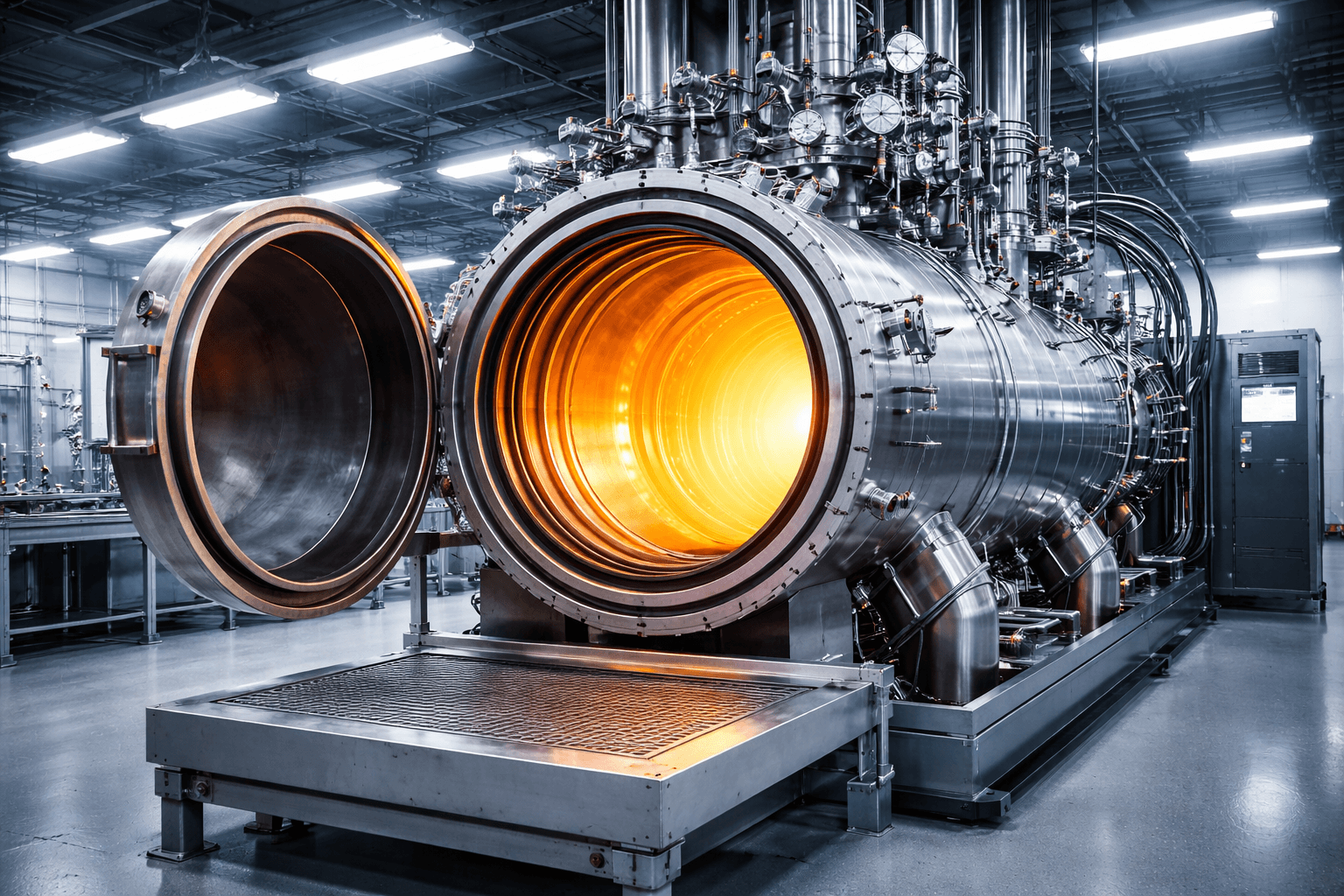
The heating process inside a vacuum furnace is a carefully controlled combination of vacuum technology, radiative heat transfer, and metallurgical precision. By eliminating atmospheric interference, vacuum furnaces provide superior control over material properties, making them indispensable for high-performance and high-reliability applications.

Jul 20, 2026Technical Article

1.Creation of the vacuum environment

Before heating begins, the furnace chamber is evacuated using a combination of mechanical and high-vacuum pumps. This process removes air, oxygen, moisture, and other contaminants. Achieving a high vacuum level minimizes oxidation, decarburization, and unwanted chemical reactions on the material surface.

2.Heat Transfer Mechanism

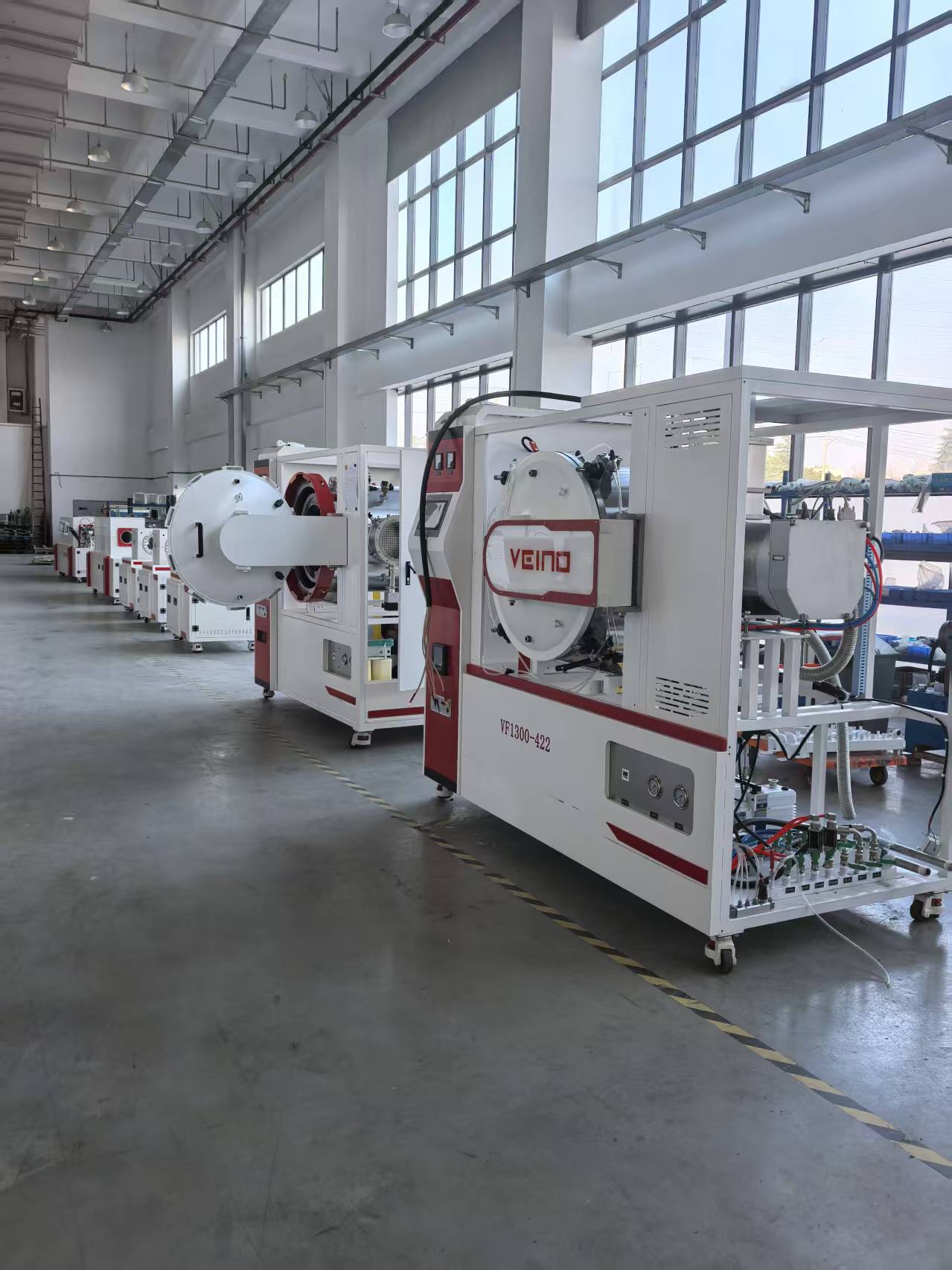
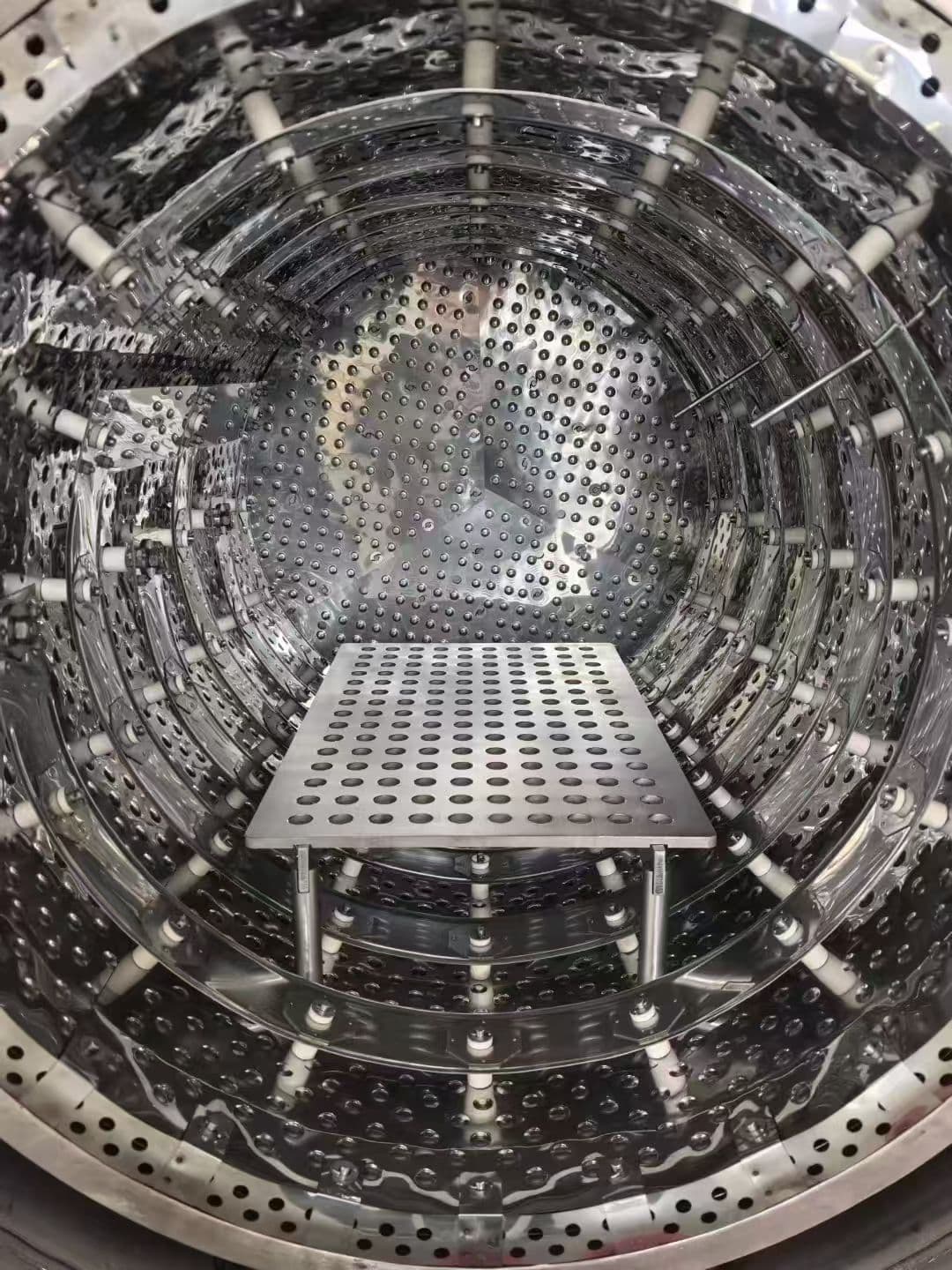
In a vacuum, the absence of air eliminates convective heat transfer. As a result, heating primarily occurs through radiation. Heating elements, typically made of graphite or refractory metals(molybdenum), emit thermal radiation, which is absorbed by the workload. The efficiency of this process depends on factors such as surface emissivity, load geometry, and spacing.

3.Controlled Heating Rate

The temperature inside the furnace is increased gradually according to a predefined thermal cycle. Precise control systems regulate the power supplied to heating elements, ensuring uniform temperature distribution. This is particularly important for complex or sensitive components where thermal gradients can cause distortion or stress.

4.Outgassing and Surface Reactions

As the temperature rises, materials release trapped gases such as hydrogen, nitrogen, or residual hydrocarbons. This phenomenon, known as outgassing, is critical in vacuum processing. The vacuum system continuously removes these gases, preventing contamination and ensuring a clean processing environment.

5.Phase Transformations and Metallurgical Changes

During heating, the material undergoes various metallurgical transformations depending on its composition and the target process (e.g., annealing, brazing, sintering). The vacuum environment ensures these transformations occur without oxidation, leading to improved mechanical properties and surface finish.

6.Temperature Uniformity and Monitoring

Thermocouples and advanced control systems monitor the temperature throughout the chamber. In many systems, hot zones are designed with reflective shields to enhance uniformity. Maintaining consistent temperature across the workload is essential for achieving repeatable and high-quality results.

7.Preparation for Cooling Phase

Once the desired temperature and soak time are achieved, the system prepares for cooling. In many vacuum furnaces, inert gases such as nitrogen or argon are introduced for controlled quenching, though this occurs after the heating stage is complete.
Similar Technical Articles

View Full Catalog
What Industries Benefit the Most from Vacuum Furnace Technology?
Technical Article

What Industries Benefit the Most from Vacuum Furnace Technology?

Vacuum furnace technology has become an essential part of modern manufacturing, especially in industries where precision, cleanliness, and material performance are critical. Unlike conventional heat treatment methods, vacuum furnaces operate in a controlled environment where air and contaminants are removed. This prevents oxidation, improves metallurgical quality, and ensures consistent results. Because of these advantages, many high-performance industries rely on vacuum furnaces to achieve the quality and reliability required for their components.

How Are Heat Exchangers Manufactured Using Vacuum Brazing?
Technical Article

How Are Heat Exchangers Manufactured Using Vacuum Brazing?

We all know what a heat exchanger is and how important it is in systems where efficient heat transfer is required. Whether in automotive engines, aerospace systems, power electronics, or industrial cooling equipment, heat exchangers play a critical role in managing temperature and maintaining system performance. Because these components often contain many thin plates, fins, and tubes that must be joined together with high precision, the manufacturing process must ensure strong, leak-tight, and reliable joints. One of the most effective methods used today is vacuum brazing.

Factors to Consider Before Investing in an Industrial Vacuum Furnace
Technical Article

Factors to Consider Before Investing in an Industrial Vacuum Furnace

Investing in an industrial vacuum furnace is a long-term decision that directly affects product quality, process stability, and operational efficiency. Manufacturers such as Normantherm Vacuum Furnace focus on application-driven design, recognizing that a vacuum furnace is not a generic solution but a process-specific tool.