Why Vacuum Processing is Important in Semiconductor Manufacturing
Semiconductor components often contain materials that are highly sensitive to oxidation, contamination, and thermal distortion. Processes such as heat treatment, brazing, or degassing must be carried out in carefully controlled conditions to maintain material purity and dimensional accuracy.
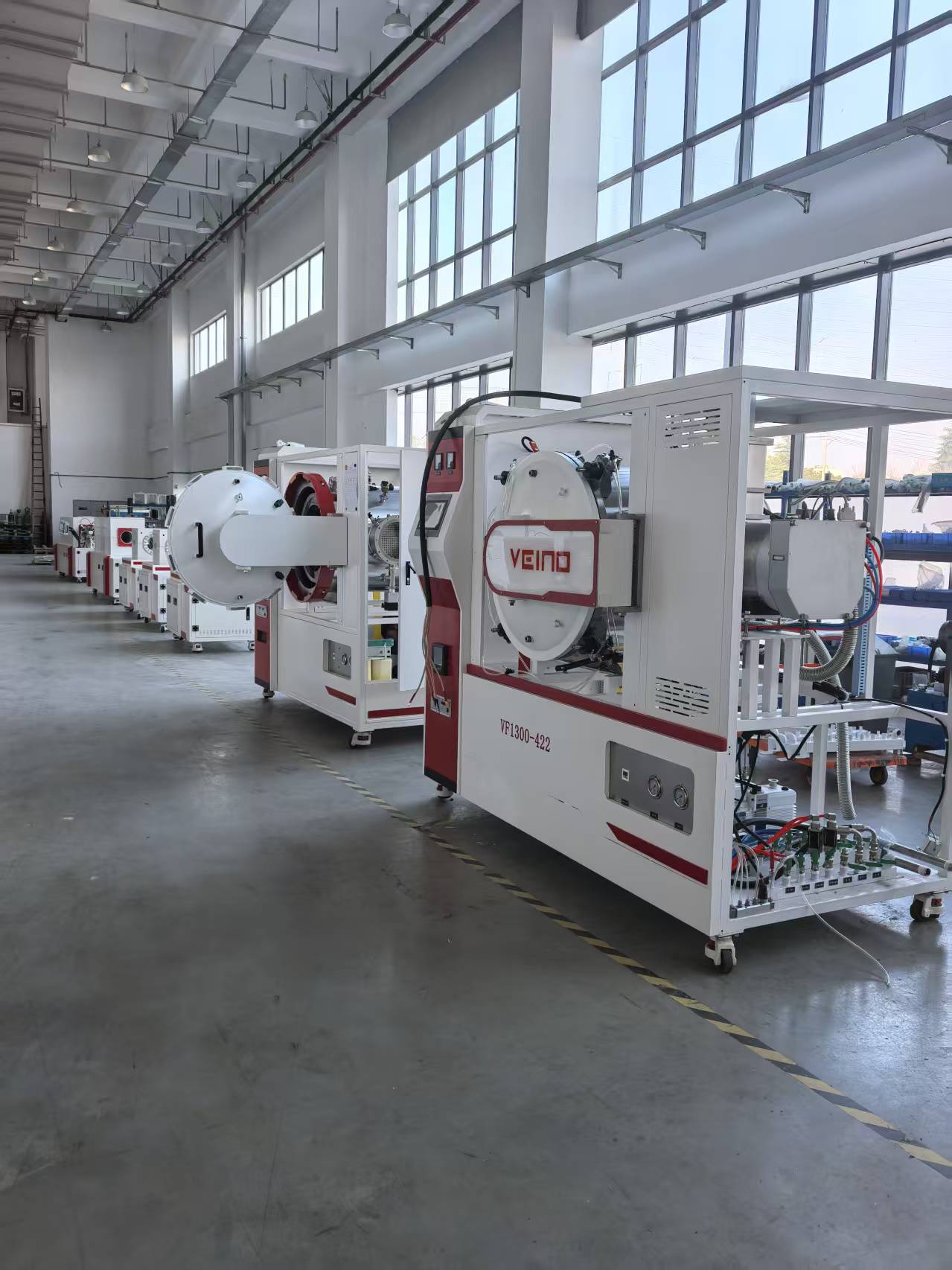
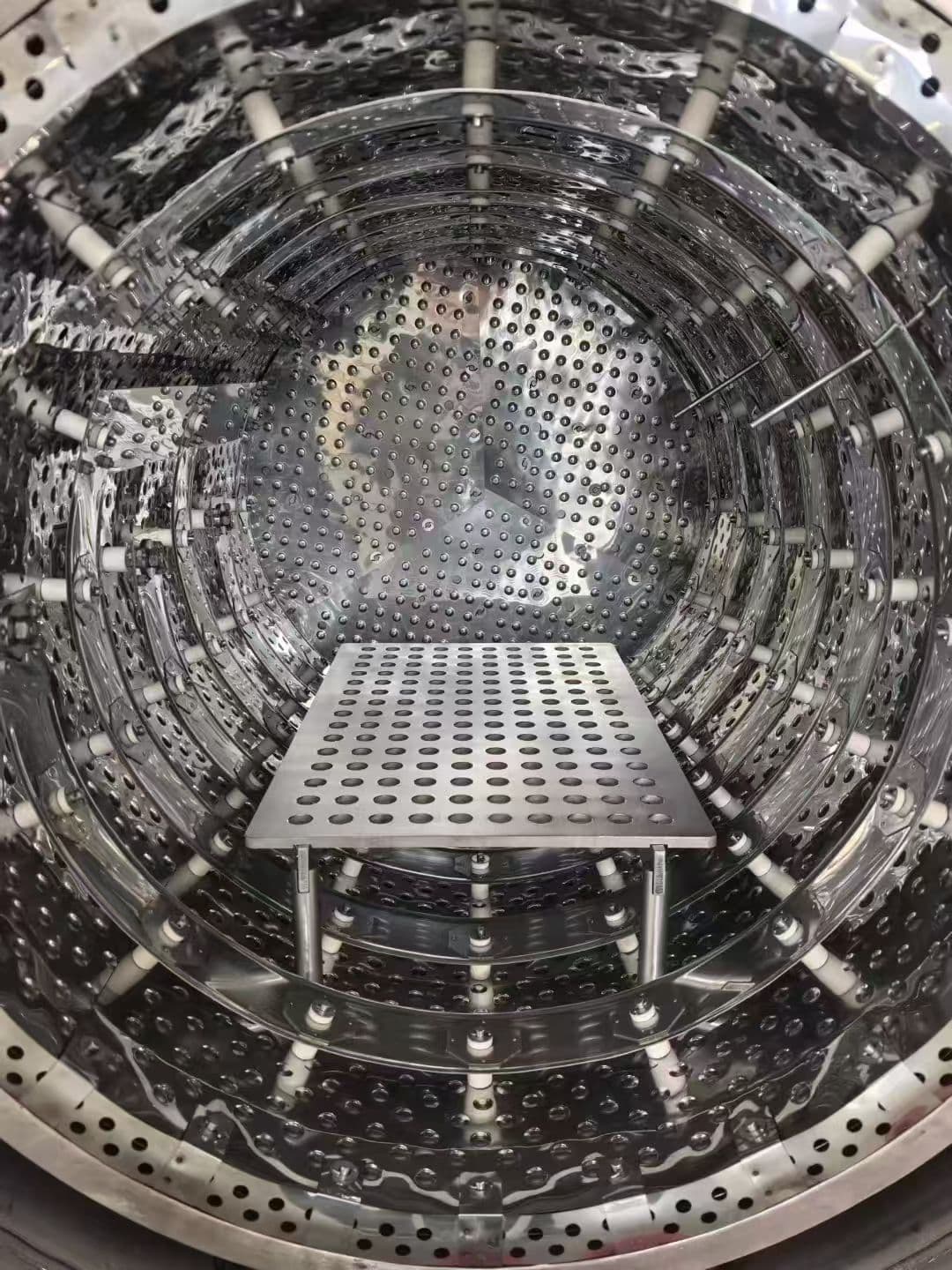
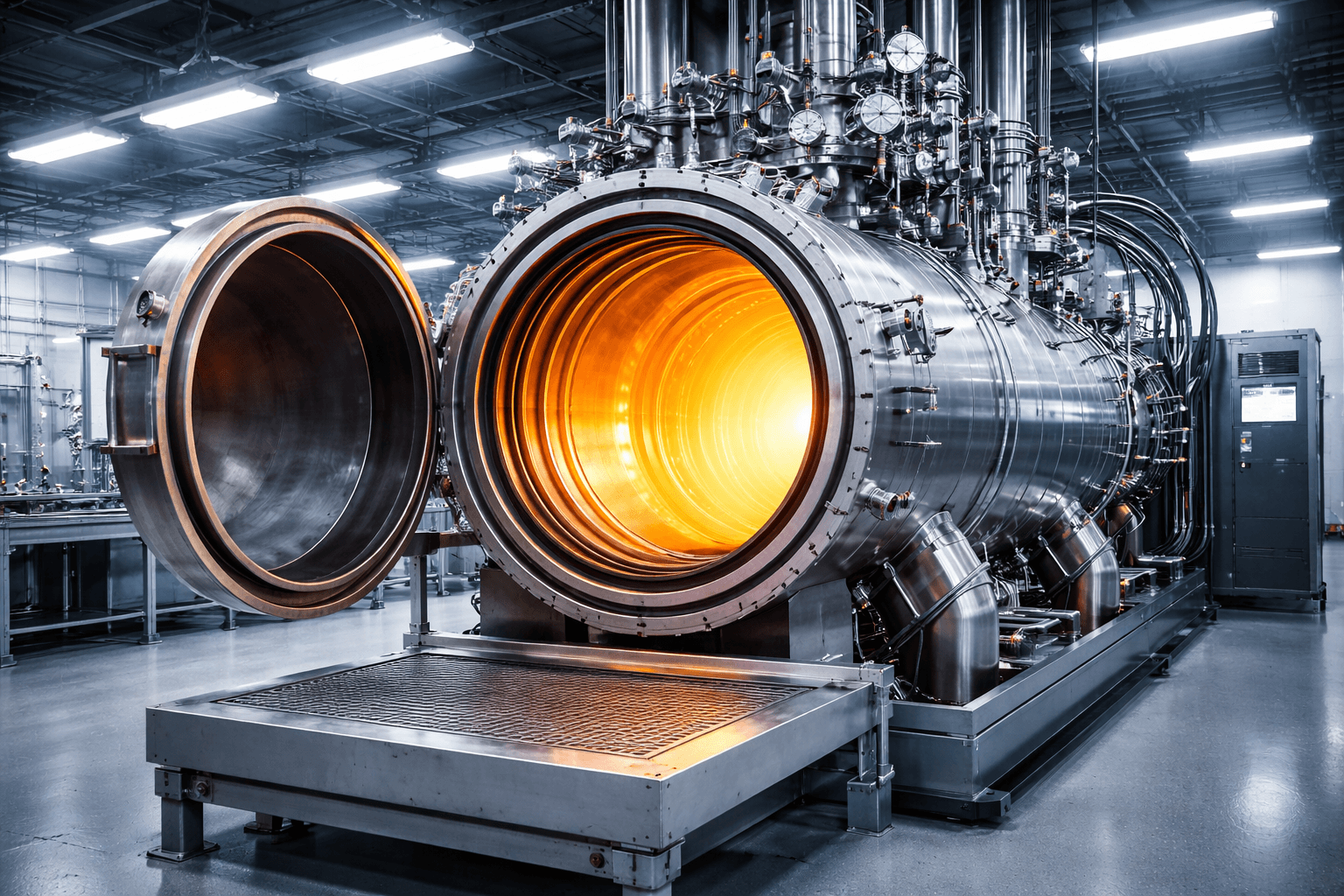
Vacuum furnaces create an oxygen-free environment by removing air, moisture, and other contaminants from the heating chamber. This clean atmosphere prevents oxidation and ensures that surfaces remain bright and uncontaminated throughout the thermal cycle. For semiconductor components that must operate in ultra-clean environments, this level of process control is critical.
In addition, vacuum furnaces provide excellent temperature uniformity and precise thermal control, allowing delicate components to be processed without distortion or unwanted microstructural changes.
Typical Semiconductor Components Processed in Vacuum Furnaces
Many parts used in semiconductor equipment and electronic packaging require vacuum thermal processing. These include both structural and functional components used in wafer fabrication systems and electronic modules.
Ceramic-to-Metal Packages
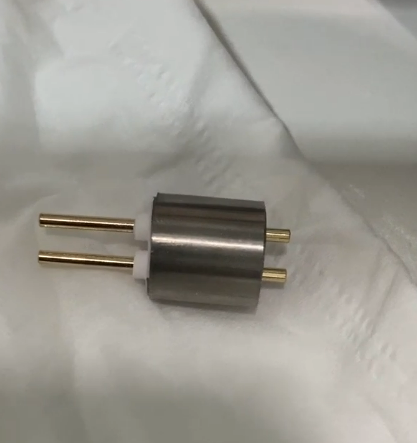
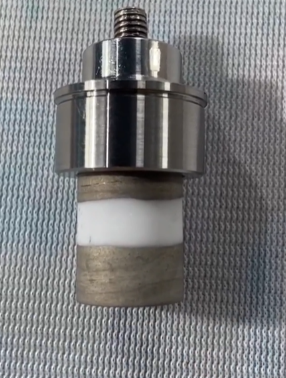
Electronic packages often combine ceramic insulators with metal housings or pins. Vacuum brazing is used to create hermetic seals that protect sensitive electronic circuits from moisture and contamination.
Heat Sinks and Base Plates
High-power semiconductor devices generate significant heat. Copper or aluminum heat sinks and base plates are often vacuum brazed or heat treated to improve thermal conductivity and structural reliability.
Vacuum Feedthroughs and Connectors
Semiconductor manufacturing equipment operates in high-vacuum environments. Electrical feedthroughs and connectors must maintain vacuum integrity while providing electrical insulation, which is commonly achieved through ceramic-to-metal vacuum brazing.
Sensor and Detector Housings
Precision sensors used in semiconductor processing equipment require stable and contamination-free housings. Vacuum heat treatment helps ensure dimensional stability and clean surfaces for these components.
Common Vacuum Furnace Processes
Vacuum furnaces support several thermal processes commonly used in semiconductor component manufacturing:
- Vacuum Brazing for joining ceramic, copper, stainless steel, and other materials used in electronic packages
- Vacuum Annealing to relieve internal stress and improve material stability
- Degassing and Outgassing Treatments to remove trapped gases from materials used in vacuum environments
- Precision Heat Treatment to optimize microstructure and mechanical properties of metallic components
These processes ensure that semiconductor components meet the strict reliability and cleanliness standards required by the electronics industry.
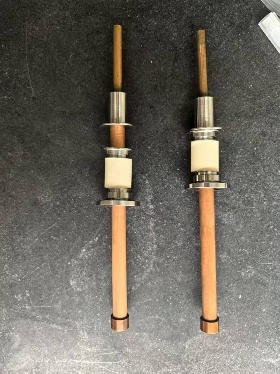

As semiconductor technologies continue to advance, the demand for precise and contamination-free manufacturing processes will only increase. Vacuum thermal processing plays a critical role in producing reliable semiconductor components, from electronic packages and heat sinks to vacuum feedthroughs and sensor housings.
With advanced process control and dependable performance, vacuum furnace systems from Normantherm Vacuum Furnace provide manufacturers with the capability to perform these critical semiconductor processing operations while maintaining the high-quality standards required by the electronics industry.