sales@normantherm.com
+977-9841230987

Vacuum Brazing Process Using a Vacuum Brazing Furnace

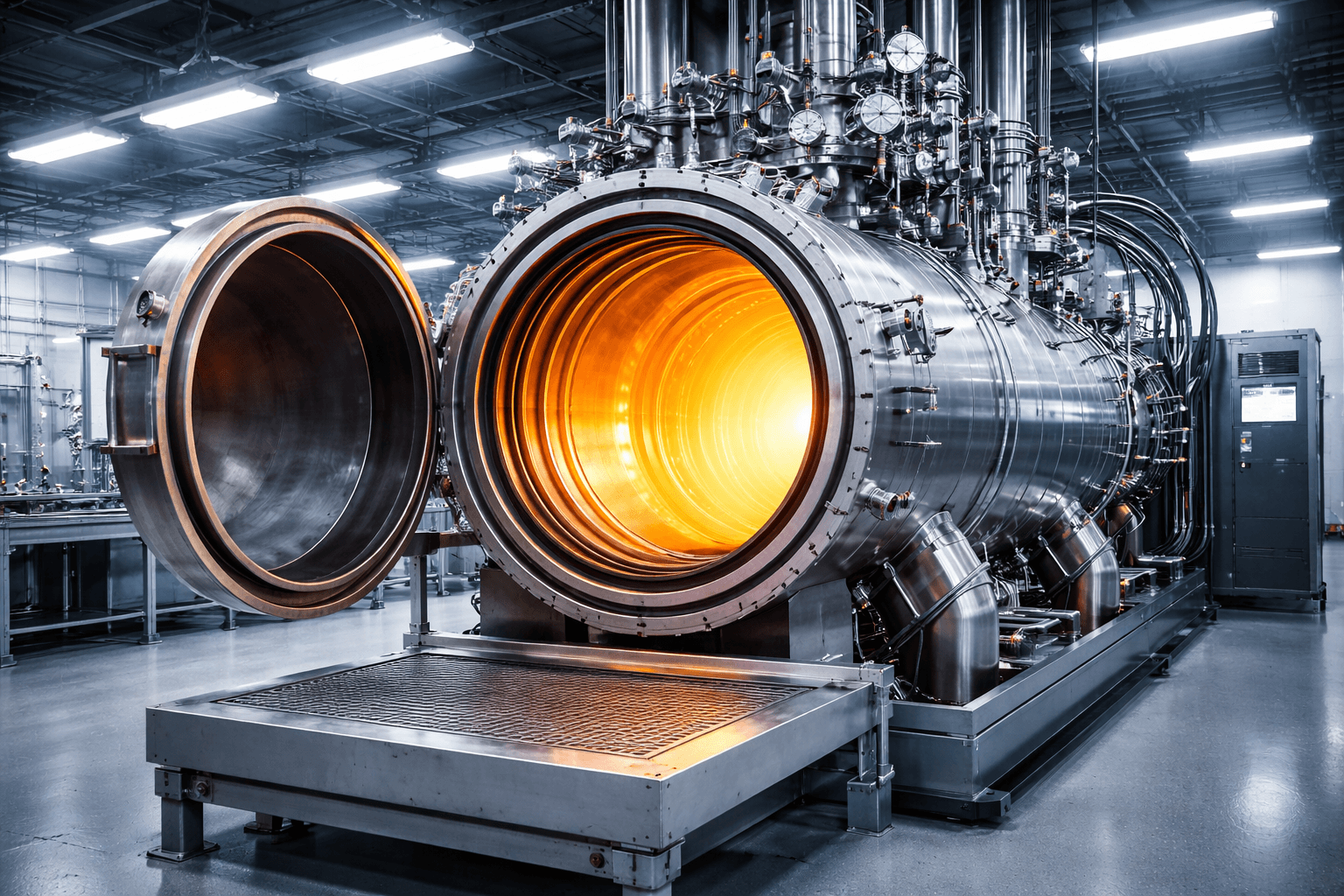
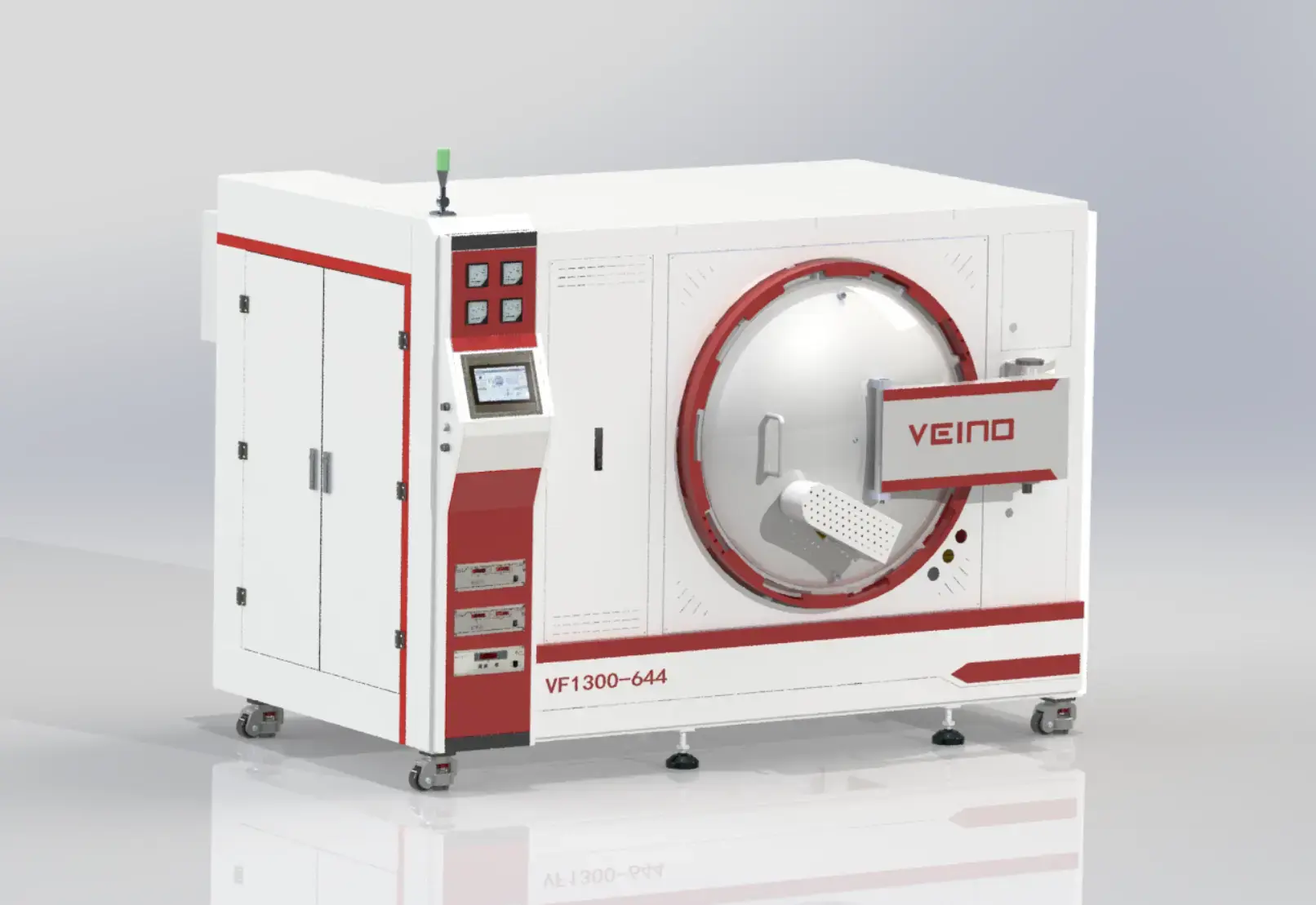
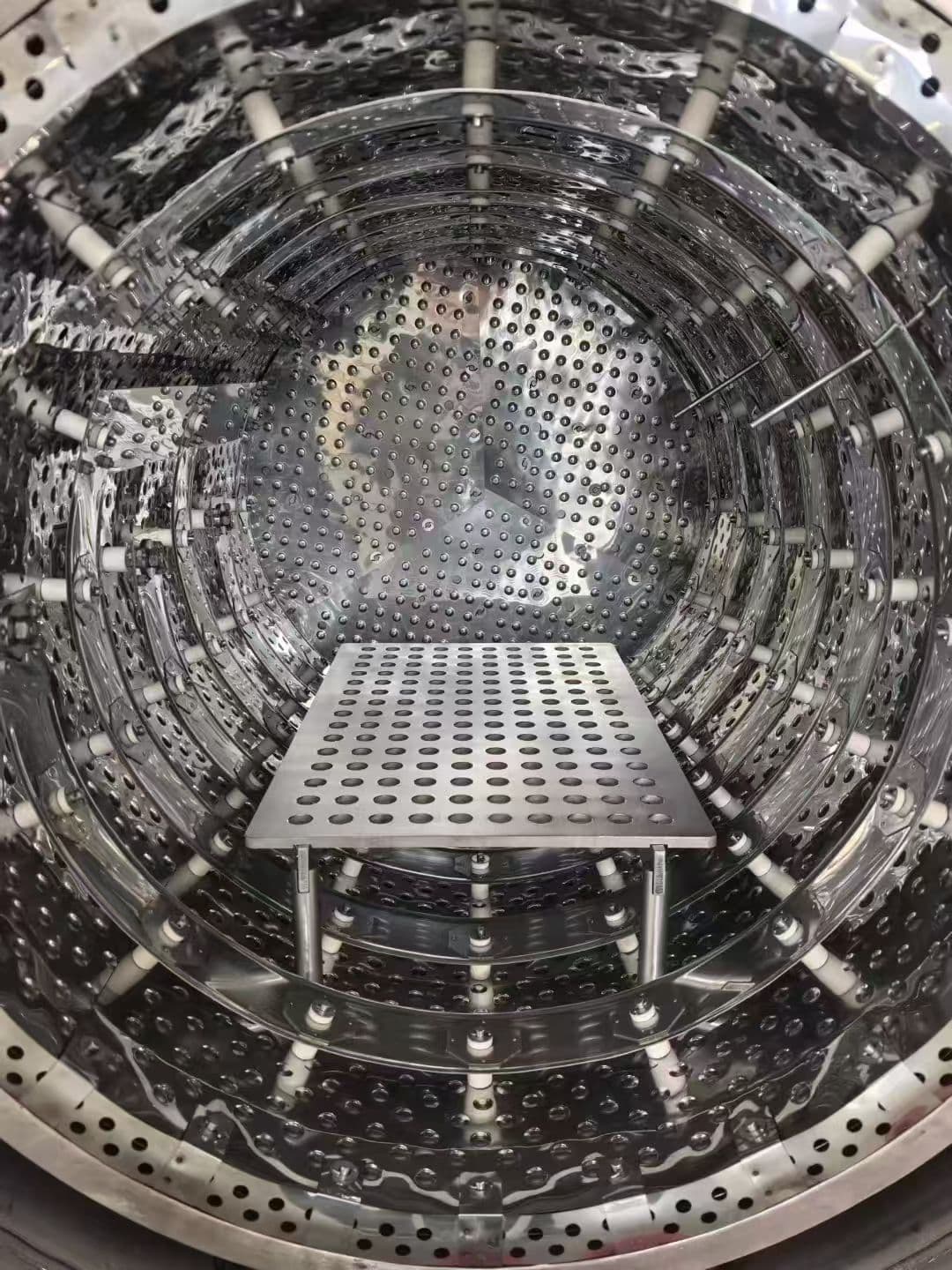
A vacuum brazing furnace is designed to join components by heating them to brazing temperature in a controlled vacuum environment. During the process, the parts to be joined are placed inside the furnace chamber and heated gradually. The vacuum atmosphere effectively prevents oxidation, gas formation, and other unwanted reactions at the joint area, which helps maintain clean surfaces and improves the overall quality and stability of the brazed joint.

Jul 17, 2026Technical Article

Heating inside the vacuum brazing furnace is typically achieved through resistance heating elements. Once energized, these elements raise the temperature of the furnace chamber to the level required for brazing. As the temperature increases, the brazing filler metal begins to melt and flow into the joint gap by capillary action. The molten filler spreads evenly across the brazing area and forms a strong bond between the components upon cooling.

One of the main advantages of vacuum brazing is the high quality of the resulting joint. Because the process is carried out without flux and in an oxygen-free environment, the brazed seam is clean and free from porosity and cracks. The joints produced have high mechanical strength, low distortion, and excellent dimensional accuracy. The controlled heating method also allows precise temperature regulation, making it suitable for small and complex brazing areas where accuracy is critical.

In conclusion, vacuum brazing furnaces provide a reliable and effective method for producing high-quality brazed joints across a wide range of materials. When operated according to proper procedures and with attention to temperature control and process time, vacuum brazing delivers stable, repeatable results and remains a preferred solution for precision joining applications.
Edited by: Shristi Paudyal
© 2026 Normantherm Vacuum Furnace. All rights reserved.

 

Similar Technical Articles

View Full Catalog
What Industries Benefit the Most from Vacuum Furnace Technology?
Technical Article

What Industries Benefit the Most from Vacuum Furnace Technology?

Vacuum furnace technology has become an essential part of modern manufacturing, especially in industries where precision, cleanliness, and material performance are critical. Unlike conventional heat treatment methods, vacuum furnaces operate in a controlled environment where air and contaminants are removed. This prevents oxidation, improves metallurgical quality, and ensures consistent results. Because of these advantages, many high-performance industries rely on vacuum furnaces to achieve the quality and reliability required for their components.

How Are Heat Exchangers Manufactured Using Vacuum Brazing?
Technical Article

How Are Heat Exchangers Manufactured Using Vacuum Brazing?

We all know what a heat exchanger is and how important it is in systems where efficient heat transfer is required. Whether in automotive engines, aerospace systems, power electronics, or industrial cooling equipment, heat exchangers play a critical role in managing temperature and maintaining system performance. Because these components often contain many thin plates, fins, and tubes that must be joined together with high precision, the manufacturing process must ensure strong, leak-tight, and reliable joints. One of the most effective methods used today is vacuum brazing.

Factors to Consider Before Investing in an Industrial Vacuum Furnace
Technical Article

Factors to Consider Before Investing in an Industrial Vacuum Furnace

Investing in an industrial vacuum furnace is a long-term decision that directly affects product quality, process stability, and operational efficiency. Manufacturers such as Normantherm Vacuum Furnace focus on application-driven design, recognizing that a vacuum furnace is not a generic solution but a process-specific tool.