sales@normantherm.com
+977-9841230987

How Vacuum Furnaces Handle Titanium, Superalloys, and Tool Steels

High-performance metals such as titanium, superalloys, and tool steels are the backbone of aerospace, medical, automotive, and energy industries. Achieving the desired mechanical properties, surface quality, and dimensional accuracy in these materials requires precise heat treatment under controlled conditions. This is where vacuum heat treatment becomes indispensable. Titanium is mostly used where weight reduction and corrosion resistance are essential such as Aircraft structural components, Aerospace fasteners, bolts and rivets, Medical implants, Automotive parts, Propeller shafts, Pump housings etc.

Jul 16, 2026Technical Article

Superalloys are mostly used in Gas turbine engine components, Jet engine exhaust nozzles and turbine casings, Heat exchangers and industrial furnace parts, Pumps in power generation plants, Space propulsion components etc. 

Tool steels are used to make cutting tools, Wear resistance machine parts, gears and spindles etc.
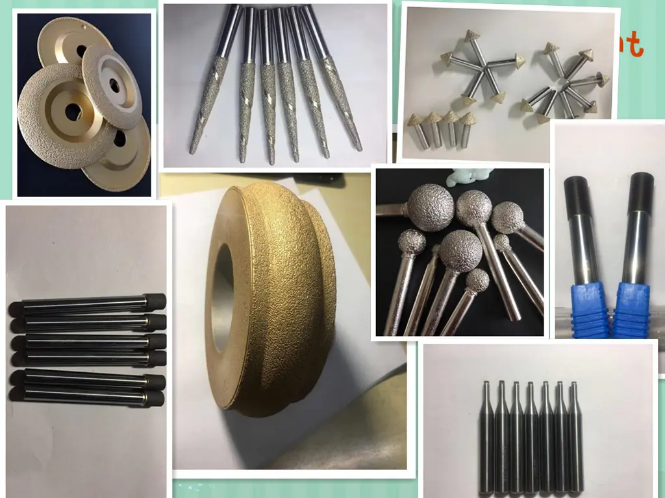
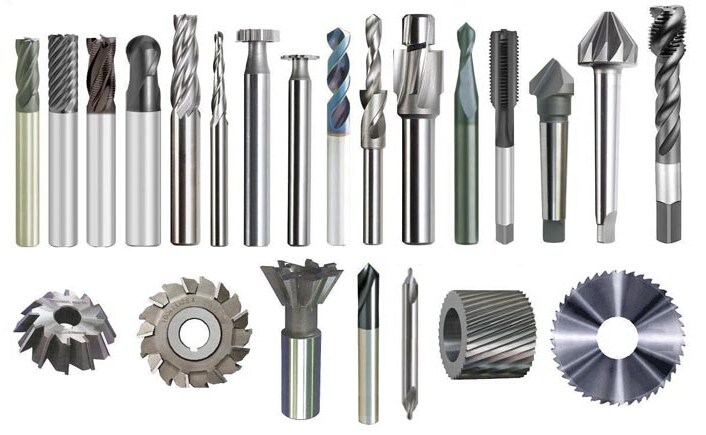
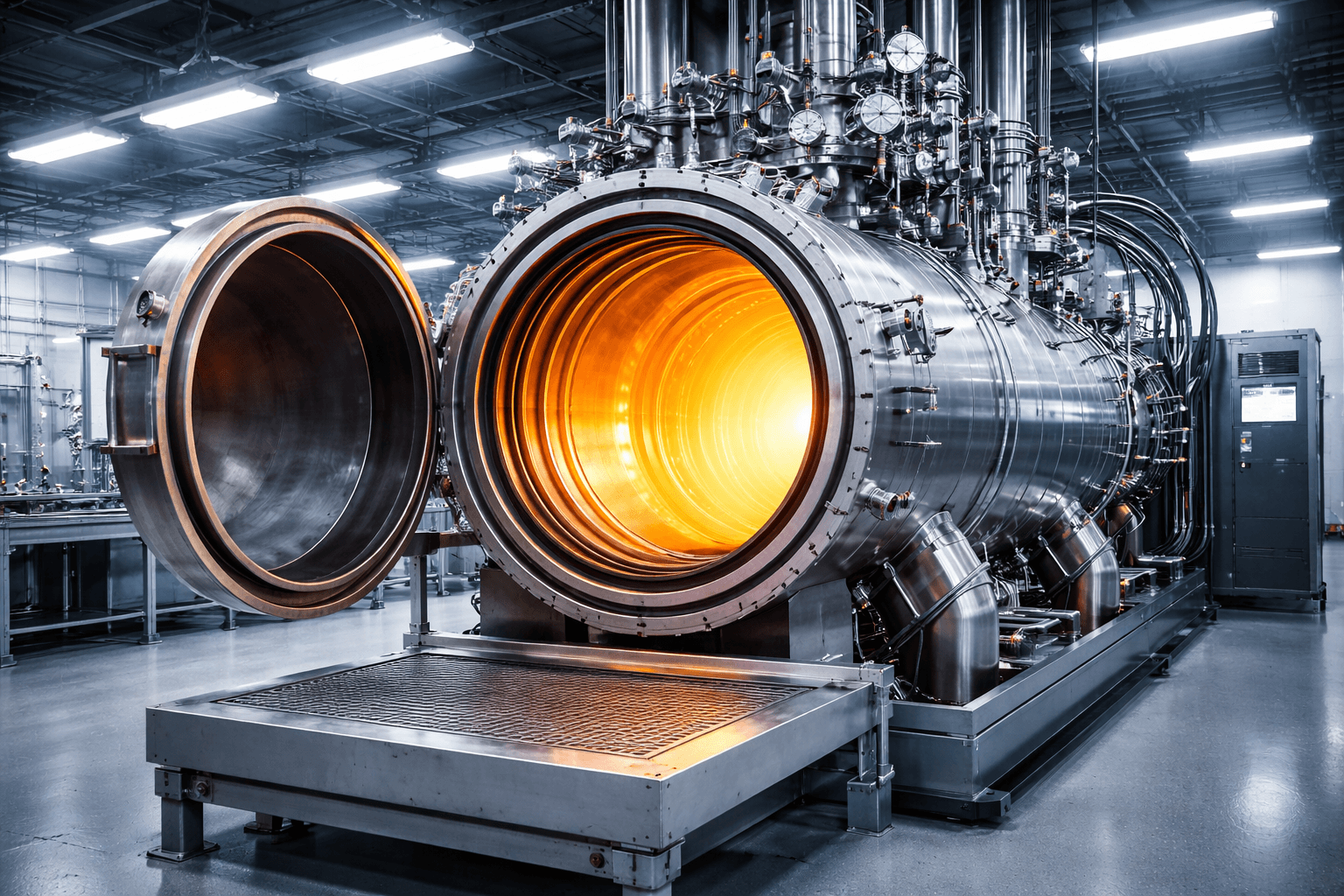
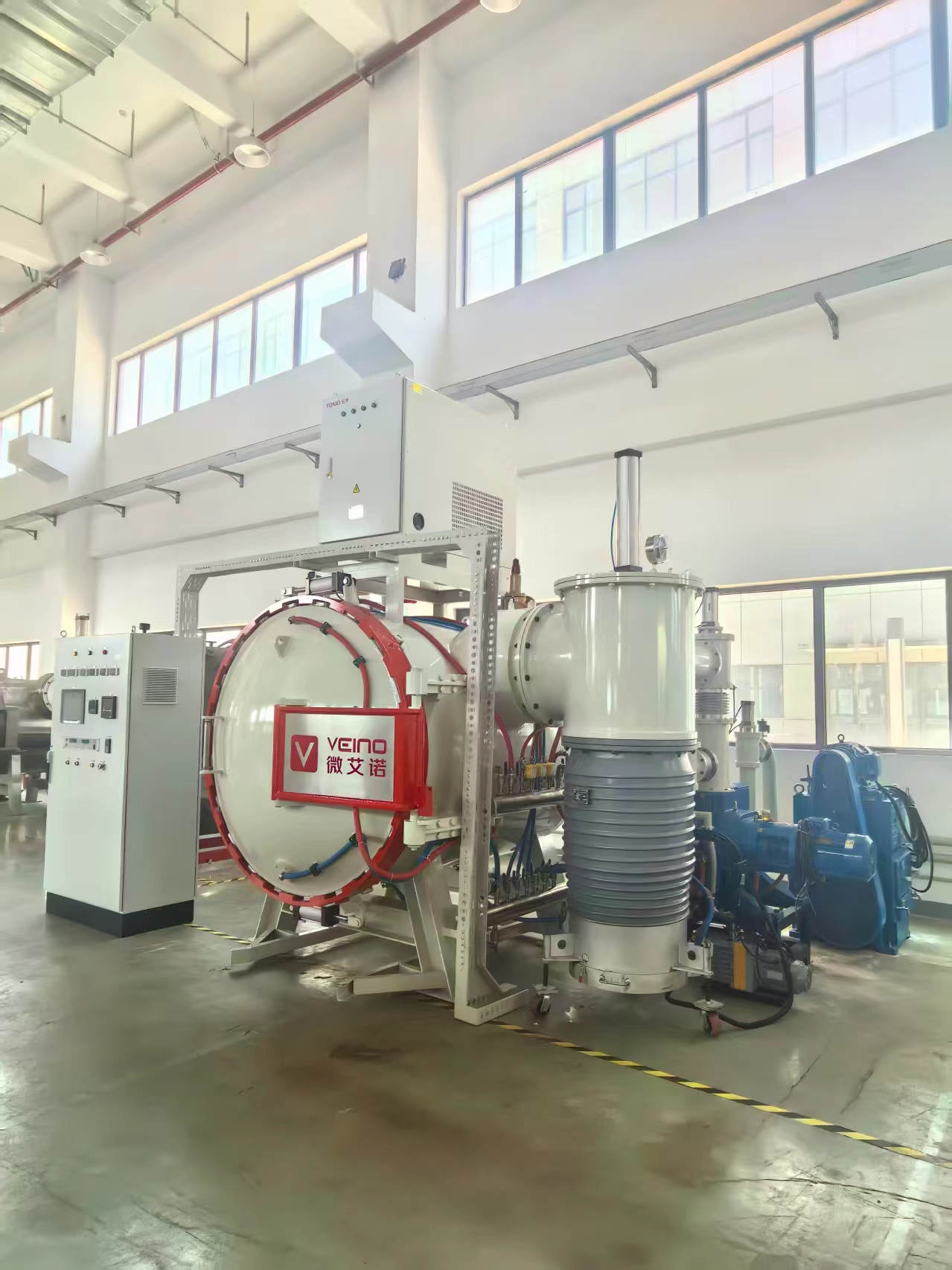
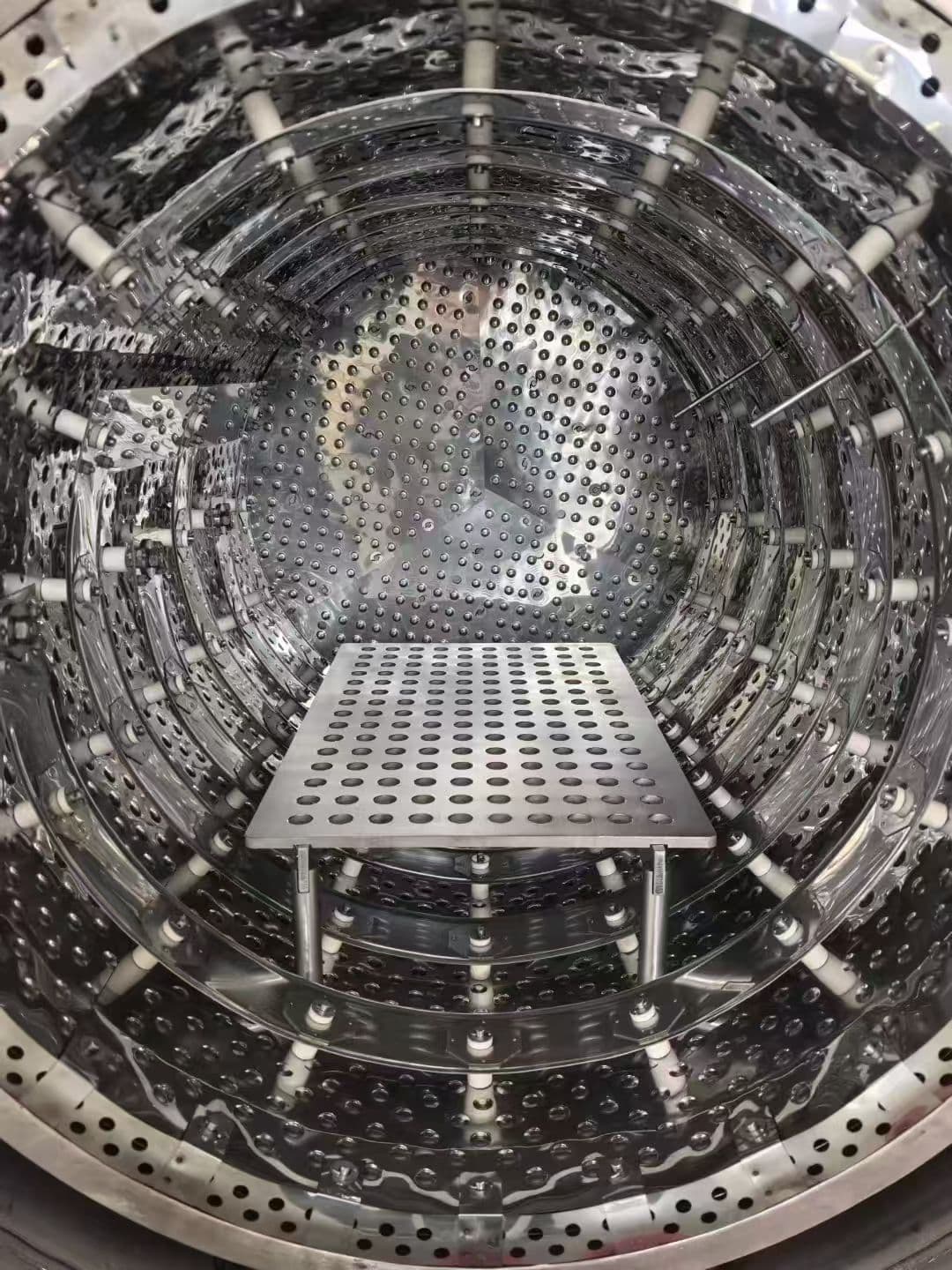
Vacuum furnaces operate in a low-pressure environment that minimizes oxidation, decarburization, and contamination during thermal processing. Titanium, known for its high reactivity at elevated temperatures, benefits greatly from vacuum processing, which preserves its chemical composition and surface integrity. Superalloys, widely used in turbine engines and high-temperature components, rely on vacuum treatment to maintain their corrosion resistance and strength. Tool steels achieve uniform hardness and reduced scaling, improving wear resistance and performance.

Modern vacuum furnaces offer precise temperature control and uniform heating, even for components with complex geometries or variable cross-sections. Advanced cooling systems, including high-pressure gas quenching, allow manufacturers to tailor microstructures and achieve optimal mechanical properties. This level of precision ensures that each batch of components meets exact specifications, which is critical for industries where reliability and performance are non-negotiable.

Beyond material performance, vacuum heat treatment offers operational advantages. Components processed in vacuum furnaces often require less post-processing due to reduced surface oxidation and scaling. Energy-efficient designs and optimized load management make vacuum furnaces a sustainable choice for high-volume industrial applications.

By combining a controlled vacuum environment with accurate thermal management, vacuum furnaces unlock the full potential of titanium, superalloys, and tool steels. The result is components with superior strength, precise dimensions, and high-quality surfaces, making vacuum heat treatment the preferred method for manufacturers who demand excellence.
 

Similar Technical Articles

View Full Catalog
What Industries Benefit the Most from Vacuum Furnace Technology?
Technical Article

What Industries Benefit the Most from Vacuum Furnace Technology?

Vacuum furnace technology has become an essential part of modern manufacturing, especially in industries where precision, cleanliness, and material performance are critical. Unlike conventional heat treatment methods, vacuum furnaces operate in a controlled environment where air and contaminants are removed. This prevents oxidation, improves metallurgical quality, and ensures consistent results. Because of these advantages, many high-performance industries rely on vacuum furnaces to achieve the quality and reliability required for their components.

How Are Heat Exchangers Manufactured Using Vacuum Brazing?
Technical Article

How Are Heat Exchangers Manufactured Using Vacuum Brazing?

We all know what a heat exchanger is and how important it is in systems where efficient heat transfer is required. Whether in automotive engines, aerospace systems, power electronics, or industrial cooling equipment, heat exchangers play a critical role in managing temperature and maintaining system performance. Because these components often contain many thin plates, fins, and tubes that must be joined together with high precision, the manufacturing process must ensure strong, leak-tight, and reliable joints. One of the most effective methods used today is vacuum brazing.

Factors to Consider Before Investing in an Industrial Vacuum Furnace
Technical Article

Factors to Consider Before Investing in an Industrial Vacuum Furnace

Investing in an industrial vacuum furnace is a long-term decision that directly affects product quality, process stability, and operational efficiency. Manufacturers such as Normantherm Vacuum Furnace focus on application-driven design, recognizing that a vacuum furnace is not a generic solution but a process-specific tool.