sales@normantherm.com
+977-9841230987

How a PCD Brazing Furnace Works

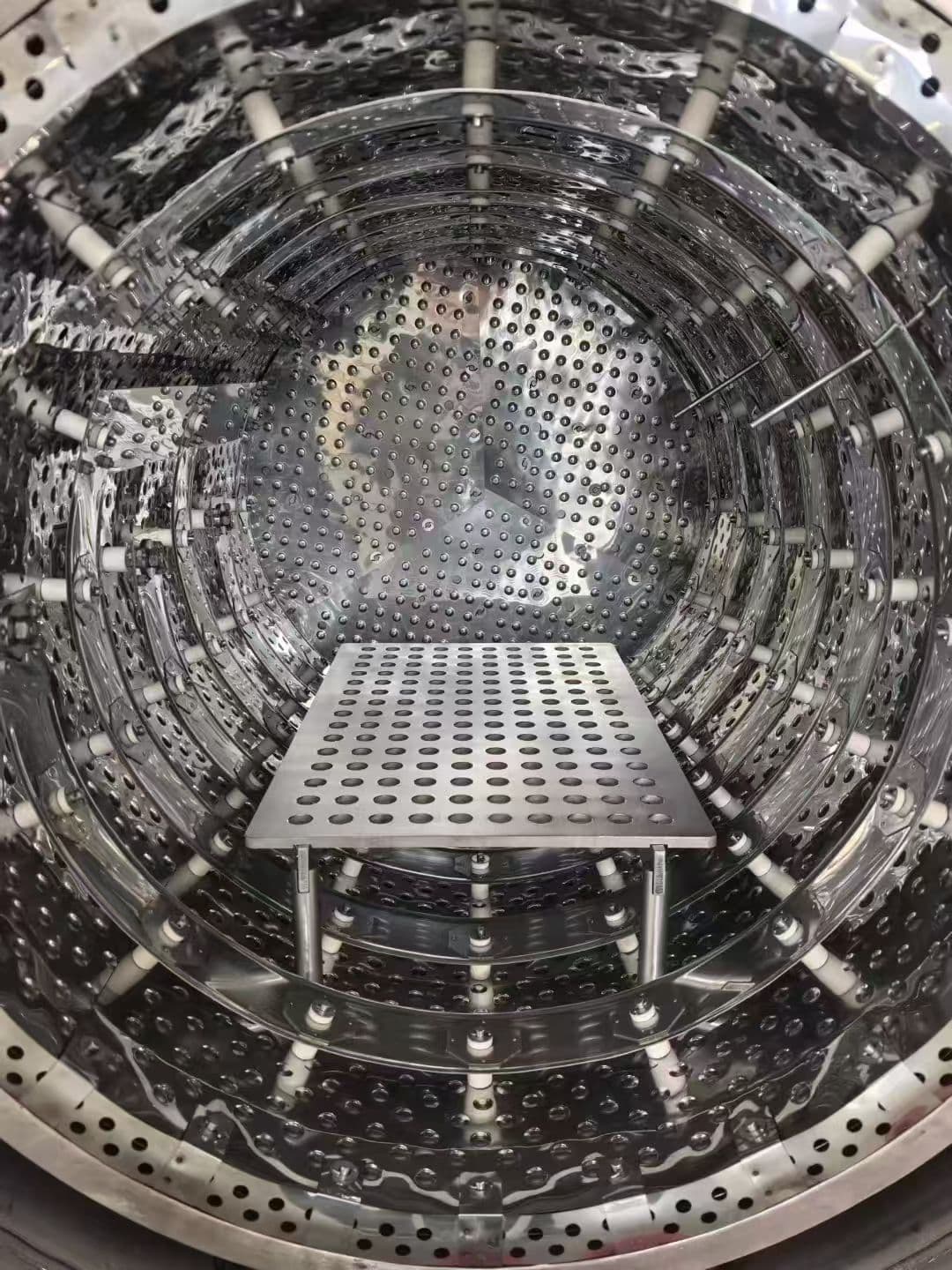
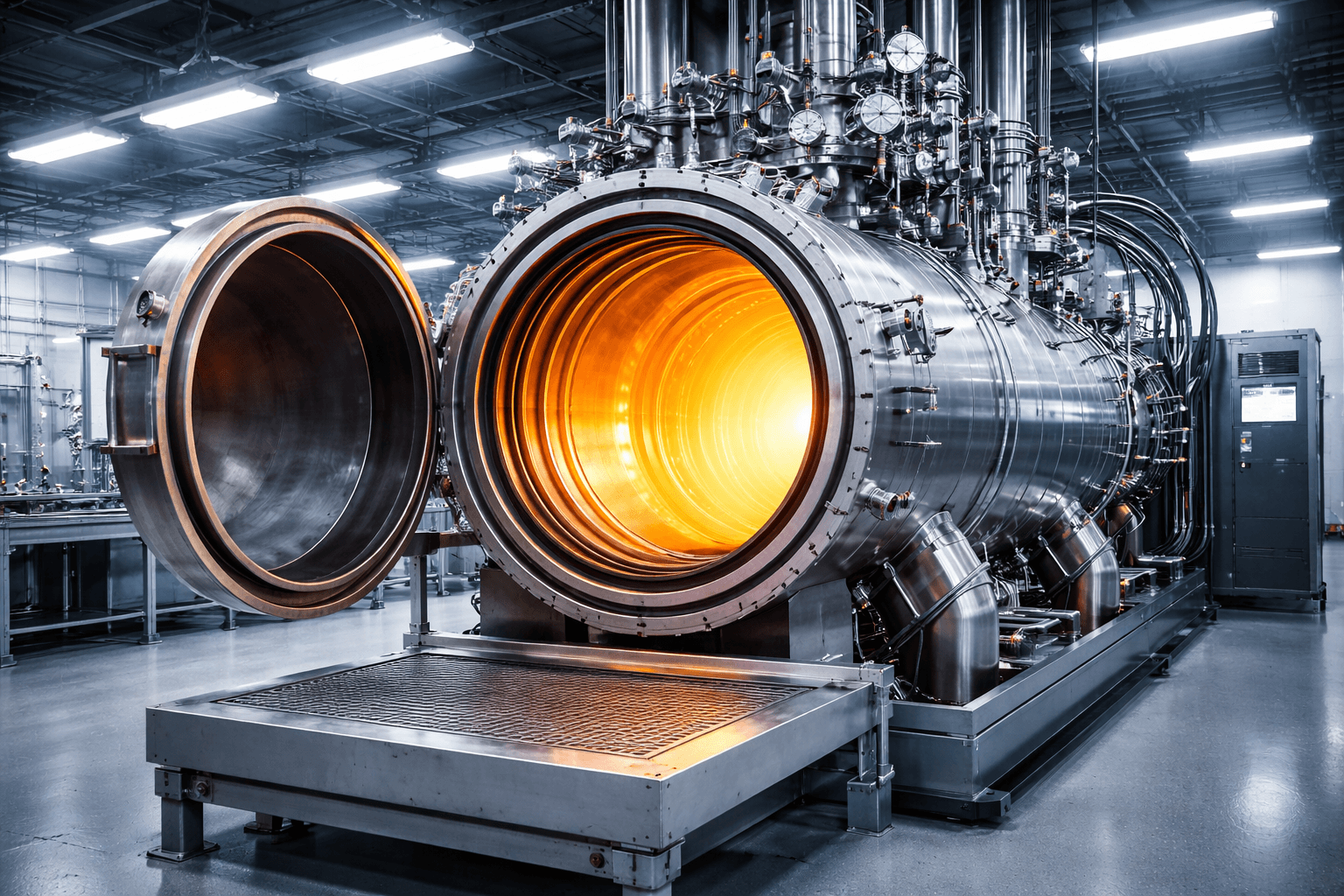
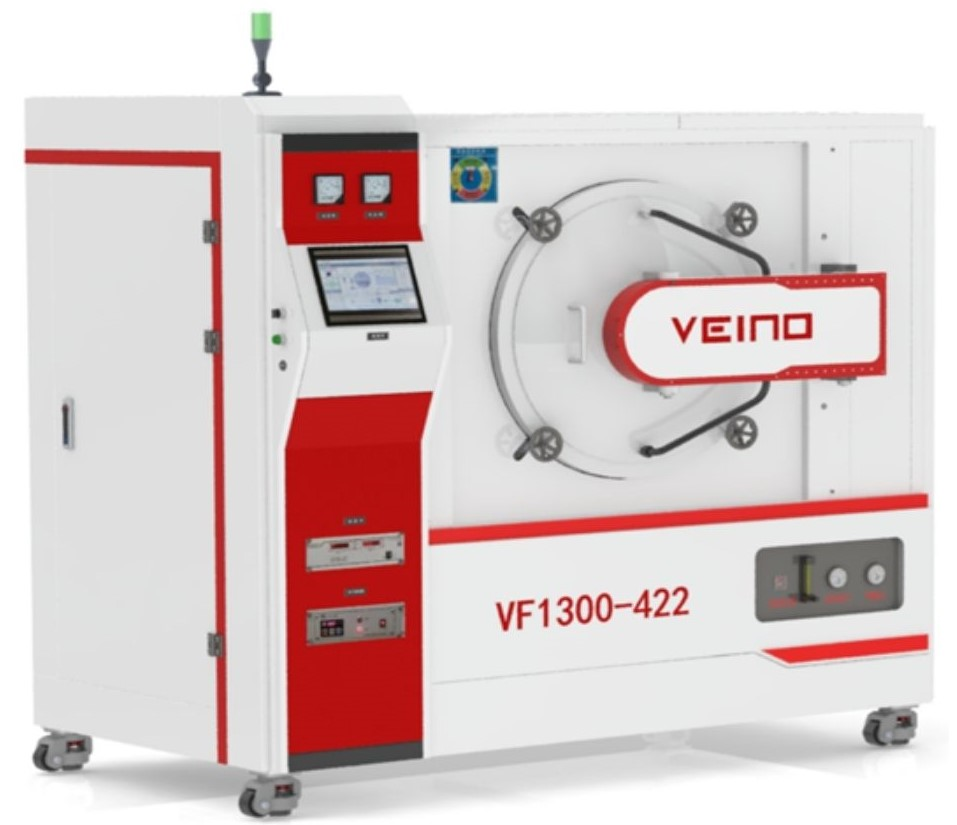
A PCD brazing furnace is a specialized vacuum heat-treatment system designed to produce strong, clean, and reliable joints between PCD tips and their tool bodies. The core idea behind the process is simple: create a controlled vacuum environment, heat the assembly precisely, allow the brazing alloy to flow and bond, and then cool everything in a clean and uniform way.

Jul 24, 2026VF Series

The process begins by loading the PCD tools into the furnace chamber. Once sealed, the chamber is evacuated using a multi-stage vacuum system that typically includes a mechanical pump, Roots pump, and diffusion pump. This vacuum environment is critical because it prevents oxidation and contamination during heating, which is especially important for PCD, carbide, stainless steel, and other high-performance materials.
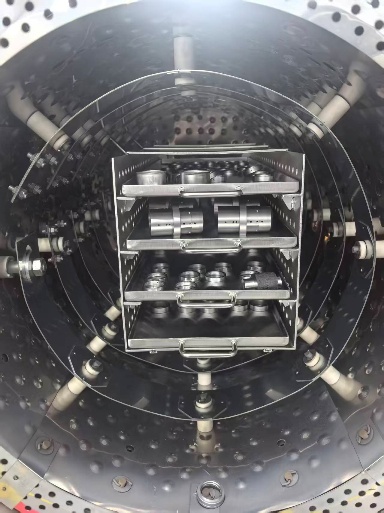
Heating is carried out in multiple controlled zones inside the furnace. Modern PCD brazing furnaces divide the chamber into several temperature control areas, such as upper, lower, front, and rear zones, to ensure uniform heat distribution. The temperature is increased according to a programmed heating curve, allowing the brazing alloy to melt and wet the joint properly without damaging the PCD layer. High temperature accuracy and uniformity, typically within a few degrees Celsius, ensure consistent brazing quality across every batch.

Once the brazing temperature is reached and held for the required time, the furnace begins the cooling phase. High-purity nitrogen is often introduced to achieve controlled, high-flow cooling. This step helps lock in joint strength while minimizing thermal stress and distortion. Because the entire cycle occurs in a vacuum or a protected atmosphere, the finished tools emerge clean, bright, and free from oxidation, eliminating the need for post-processing or flux removal.

In addition to PCD tool brazing, the same furnace technology is widely used for vacuum brazing of aluminum heat exchangers, stainless steel components, titanium alloys, cemented carbide, and superalloys, as well as for vacuum annealing, tempering, and aging treatments. The flexibility of programmable heating curves and precise vacuum control make the PCD brazing furnace a reliable solution for both standard and complex components.

To sum up, a PCD brazing furnace works by combining precise temperature control, a high-quality vacuum system, and clean cooling technology to deliver strong, repeatable, and high-performance brazed joints, exactly what modern cutting tool and precision manufacturing industries demand.
Similar Technical Articles

View Full Catalog
What Industries Benefit the Most from Vacuum Furnace Technology?
Technical Article

What Industries Benefit the Most from Vacuum Furnace Technology?

Vacuum furnace technology has become an essential part of modern manufacturing, especially in industries where precision, cleanliness, and material performance are critical. Unlike conventional heat treatment methods, vacuum furnaces operate in a controlled environment where air and contaminants are removed. This prevents oxidation, improves metallurgical quality, and ensures consistent results. Because of these advantages, many high-performance industries rely on vacuum furnaces to achieve the quality and reliability required for their components.

How Are Heat Exchangers Manufactured Using Vacuum Brazing?
Technical Article

How Are Heat Exchangers Manufactured Using Vacuum Brazing?

We all know what a heat exchanger is and how important it is in systems where efficient heat transfer is required. Whether in automotive engines, aerospace systems, power electronics, or industrial cooling equipment, heat exchangers play a critical role in managing temperature and maintaining system performance. Because these components often contain many thin plates, fins, and tubes that must be joined together with high precision, the manufacturing process must ensure strong, leak-tight, and reliable joints. One of the most effective methods used today is vacuum brazing.

Factors to Consider Before Investing in an Industrial Vacuum Furnace
Technical Article

Factors to Consider Before Investing in an Industrial Vacuum Furnace

Investing in an industrial vacuum furnace is a long-term decision that directly affects product quality, process stability, and operational efficiency. Manufacturers such as Normantherm Vacuum Furnace focus on application-driven design, recognizing that a vacuum furnace is not a generic solution but a process-specific tool.