

The CUT Series Vacuum Brazing Furnace is a versatile thermal processing solution designed to meet the demanding requirements of the aerospace, automotive, and semiconductor industries. Featuring precise temperature control, excellent temperature uniformity, and a high-vacuum environment, the furnace produces clean, oxidation-free brazed joints with exceptional strength, reliability, and repeatability. In the aerospace industry, the CUT Series is used for brazing turbine components, heat exchangers, sensors, and titanium alloy assemblies that require high mechanical strength and precision. In the automotive sector, it supports the production of radiators, battery cooling plates, oil coolers, and other thermal management components that improve vehicle efficiency and durability. For the semiconductor industry, the furnace is ideal for manufacturing ceramic-to-metal assemblies, vacuum chambers, electrical feedthroughs, cooling plates, and other precision components that demand ultra-clean processing and leak-tight performance. Beyond vacuum brazing, the CUT Series also performs vacuum annealing, stress relieving, aging, and precision heat treatment for a wide range of advanced materials. Its stable process control, energy-efficient operation, and consistent product quality make it an excellent choice for both research laboratories and industrial production. With its flexibility, reliability, and superior brazing performance, the CUT Series Vacuum Brazing Furnace helps manufacturers produce high-quality components that meet the stringent standards of today's most advanced industries.
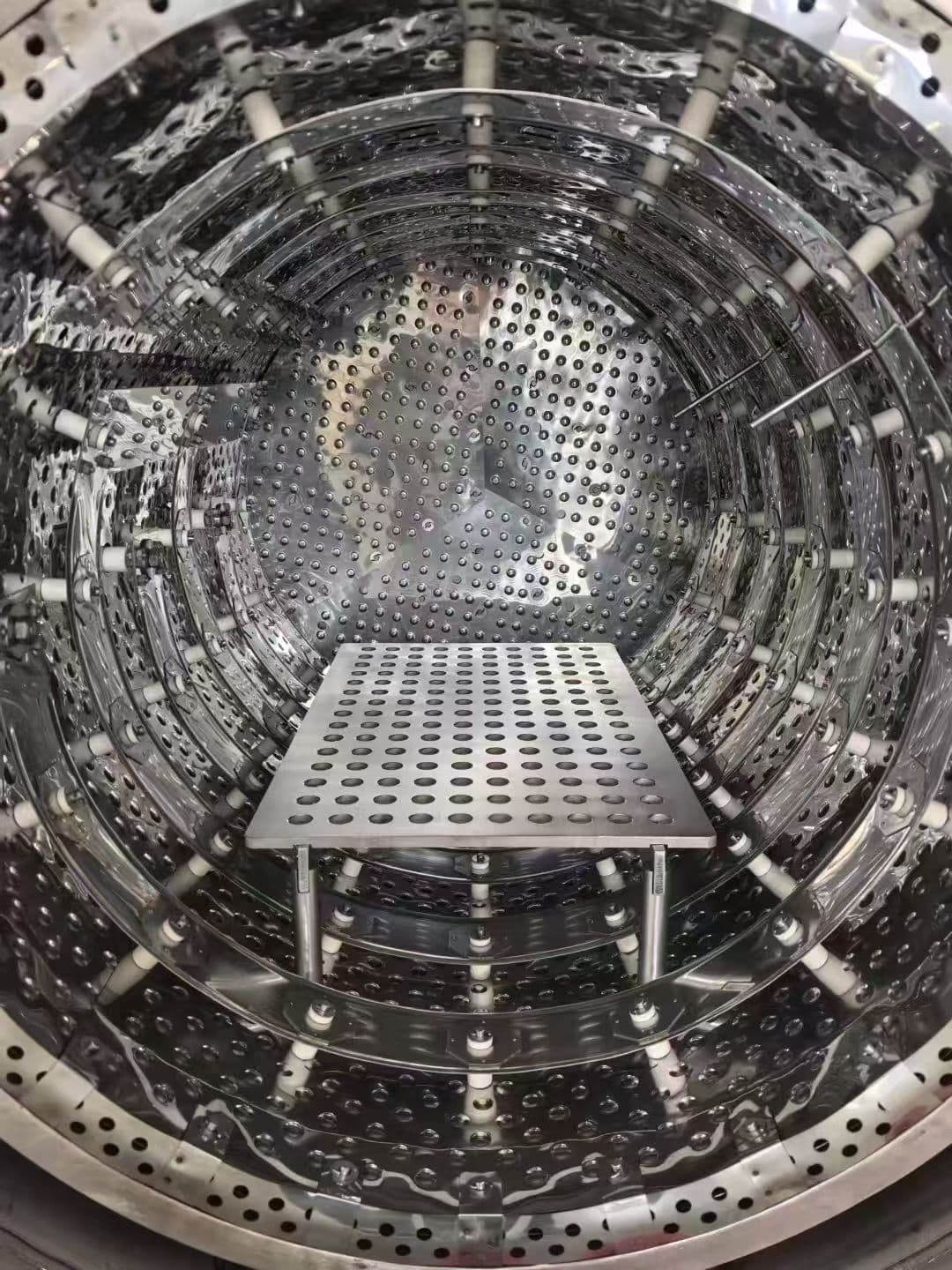
The hot zone is one of the most important components of a vacuum furnace. It directly influences the furnace's maximum operating temperature, heating performance, atmosphere compatibility, energy efficiency, maintenance requirements, and suitability for different materials and processes. Among the commonly used hot-zone materials, silicon carbide (SiC), graphite, and tungsten each offer different advantages. Selecting the appropriate material depends on the required processing temperature, vacuum level, atmosphere, workload material, contamination requirements, and application.

Normantherm Vacuum Brazing
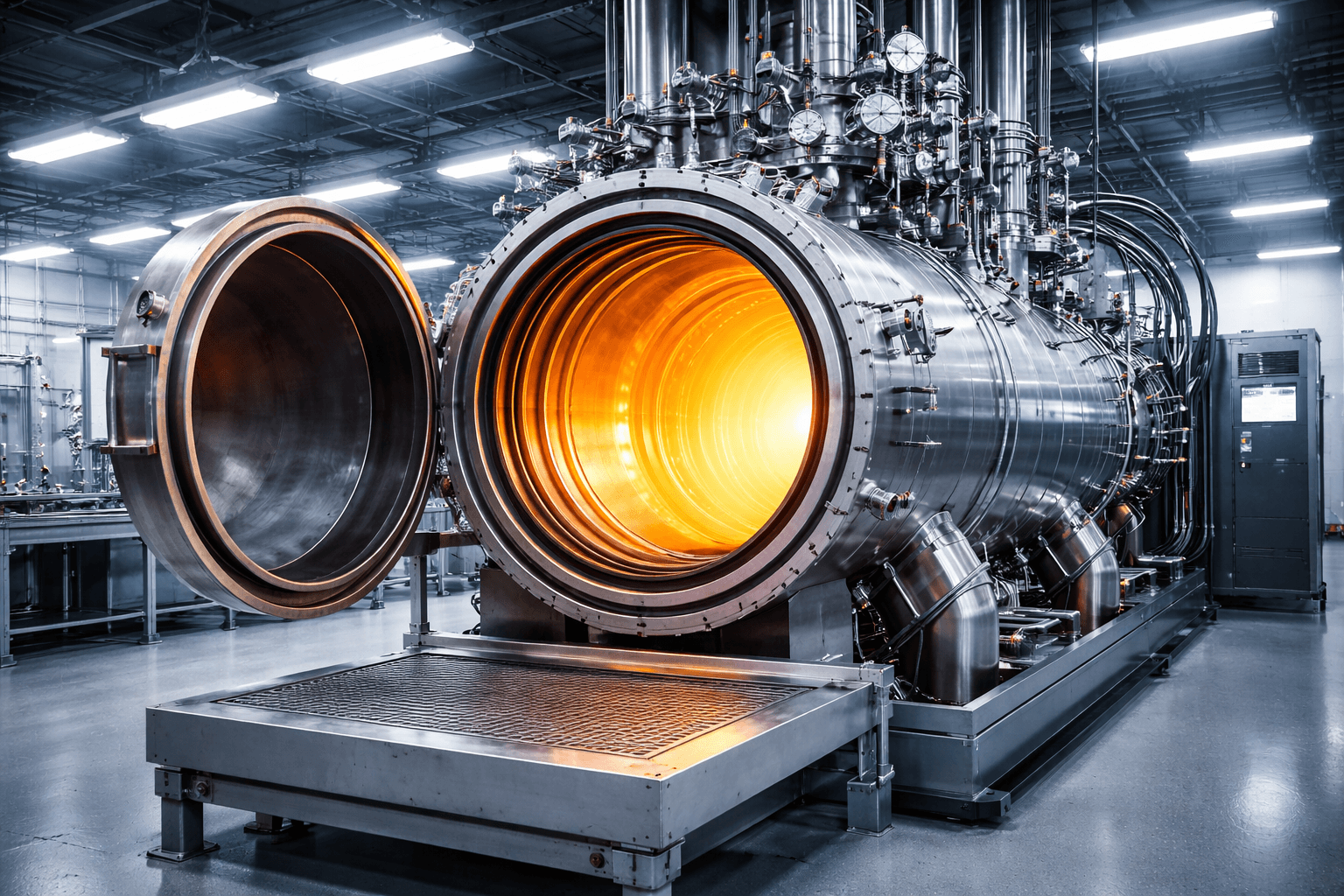
Vacuum furnace technology has become an essential part of modern manufacturing, especially in industries where precision, cleanliness, and material performance are critical. Unlike conventional heat treatment methods, vacuum furnaces operate in a controlled environment where air and contaminants are removed. This prevents oxidation, improves metallurgical quality, and ensures consistent results. Because of these advantages, many high-performance industries rely on vacuum furnaces to achieve the quality and reliability required for their components.