sales@normantherm.com
+977-9841230987

Custom Vacuum Furnace Design for Specialized Applications

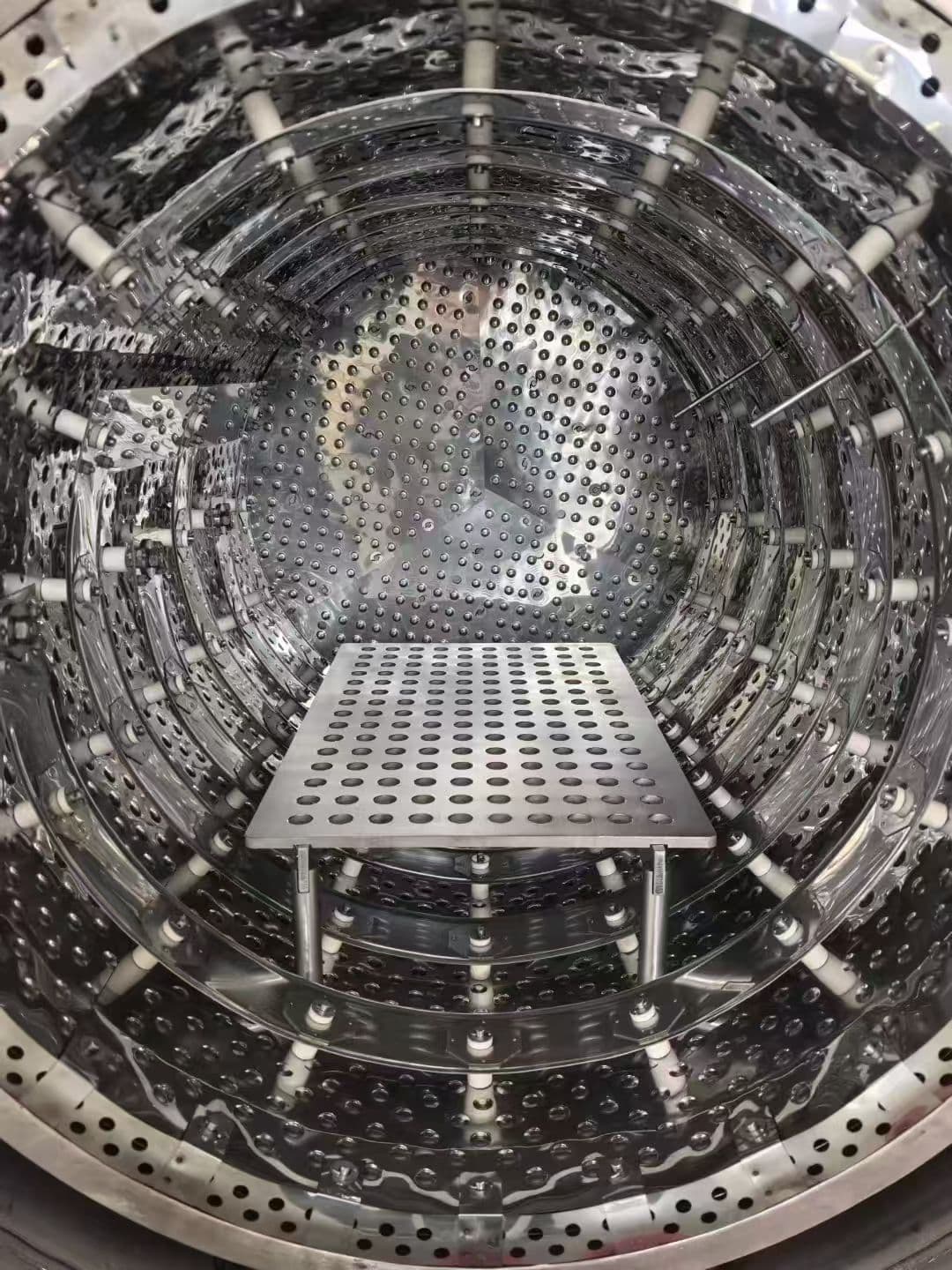
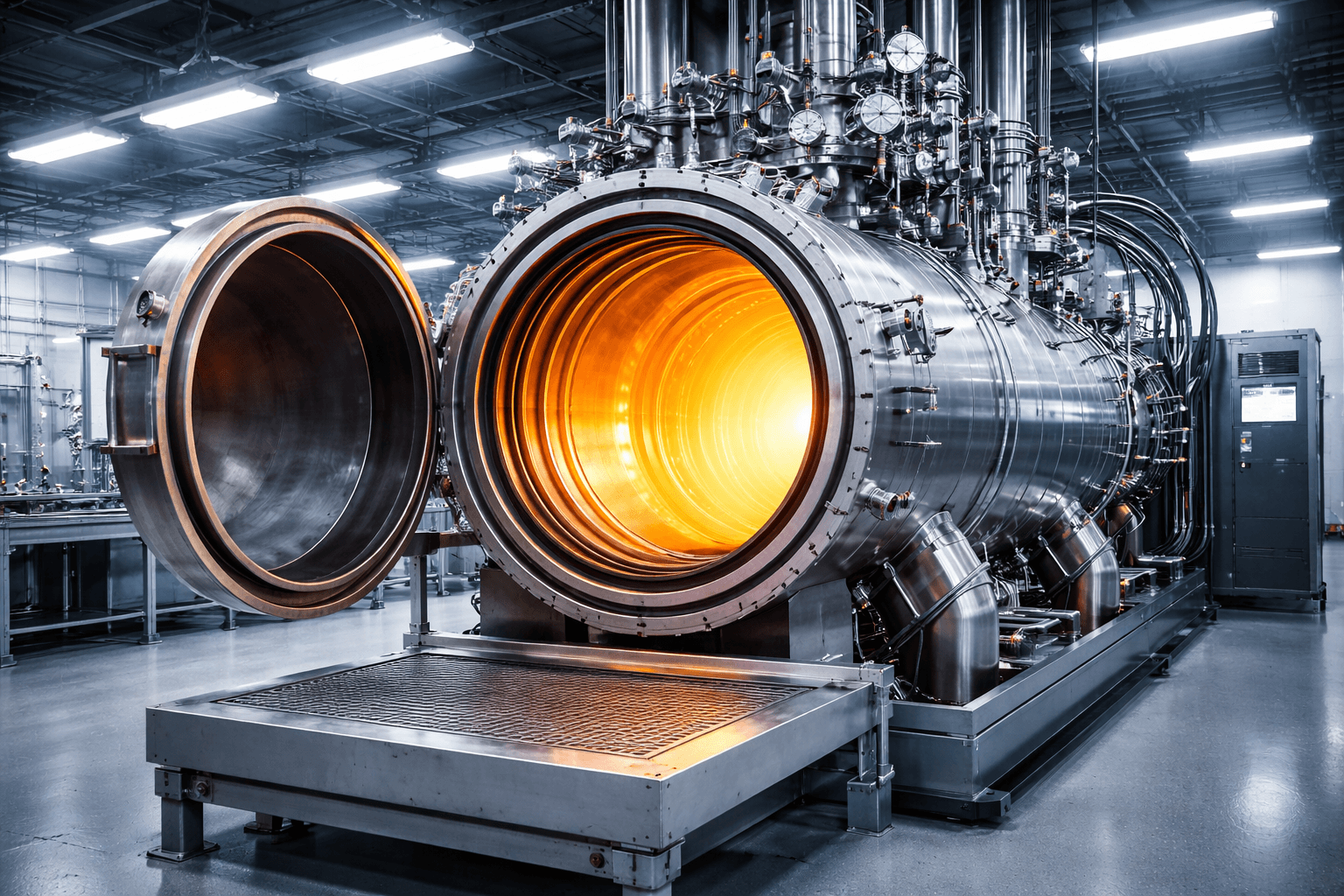
Standard vacuum furnace configurations are well suited for many heat-treatment processes, but modern manufacturing increasingly demands solutions that go beyond conventional designs. Specialized materials, complex component geometries, and strict process requirements often require a vacuum furnace engineered specifically for the application. Custom vacuum furnace design addresses these challenges by aligning furnace performance precisely with production and material needs. In industries such as aerospace, medical devices, automobile, tools and dies, and research laboratories, even minor deviations in temperature uniformity, atmosphere control, or cooling rate can affect material performance. Custom-designed vacuum furnaces allow manufacturers to maintain tight control over every stage of the thermal cycle, ensuring repeatable and reliable results.

Jul 6, 2026Technical Article

Design parameters based on application requirements

  1. The design of a custom vacuum furnace begins with a clear understanding of the application, including load size, component geometry, material type, and required process temperature range, as these factors directly influence chamber dimensions and system configuration.
  2. Heating elements, insulation, and hot zone layout are engineered to ensure uniform temperature distribution, minimize heat loss, and deliver consistent thermal performance across the entire load.
  3. Material-specific requirements, particularly for reactive materials such as titanium and high-temperature superalloys, guide the selection of furnace construction materials to prevent contamination and preserve surface integrity.
  4. Cooling and quenching systems are designed to provide controlled and repeatable cooling rates through optimized gas selection, pressure levels, and flow patterns, directly affecting hardness, distortion, and mechanical properties.
  5. Advanced control systems enable precise management of heating cycles, process automation, and data logging to support repeatability, quality assurance, and compliance with industrial standards.

In addition to performance benefits, custom vacuum furnaces can improve long-term operational efficiency. Designing the system specifically for the intended application reduces unnecessary thermal mass, shortens cycle times, and lowers overall energy consumption. Maintenance access, component lifespan, and safety features can also be optimized during the design phase, resulting in improved uptime and reduced operating costs.
Similar Technical Articles

View Full Catalog
What Industries Benefit the Most from Vacuum Furnace Technology?
Technical Article

What Industries Benefit the Most from Vacuum Furnace Technology?

Vacuum furnace technology has become an essential part of modern manufacturing, especially in industries where precision, cleanliness, and material performance are critical. Unlike conventional heat treatment methods, vacuum furnaces operate in a controlled environment where air and contaminants are removed. This prevents oxidation, improves metallurgical quality, and ensures consistent results. Because of these advantages, many high-performance industries rely on vacuum furnaces to achieve the quality and reliability required for their components.

How Are Heat Exchangers Manufactured Using Vacuum Brazing?
Technical Article

How Are Heat Exchangers Manufactured Using Vacuum Brazing?

We all know what a heat exchanger is and how important it is in systems where efficient heat transfer is required. Whether in automotive engines, aerospace systems, power electronics, or industrial cooling equipment, heat exchangers play a critical role in managing temperature and maintaining system performance. Because these components often contain many thin plates, fins, and tubes that must be joined together with high precision, the manufacturing process must ensure strong, leak-tight, and reliable joints. One of the most effective methods used today is vacuum brazing.

Factors to Consider Before Investing in an Industrial Vacuum Furnace
Technical Article

Factors to Consider Before Investing in an Industrial Vacuum Furnace

Investing in an industrial vacuum furnace is a long-term decision that directly affects product quality, process stability, and operational efficiency. Manufacturers such as Normantherm Vacuum Furnace focus on application-driven design, recognizing that a vacuum furnace is not a generic solution but a process-specific tool.