
Additive Manufacturing
Vacuum heat treatment and brazing for 3D printed metal parts. Reduces residual stress and enhances structural strength.
Industry Overview
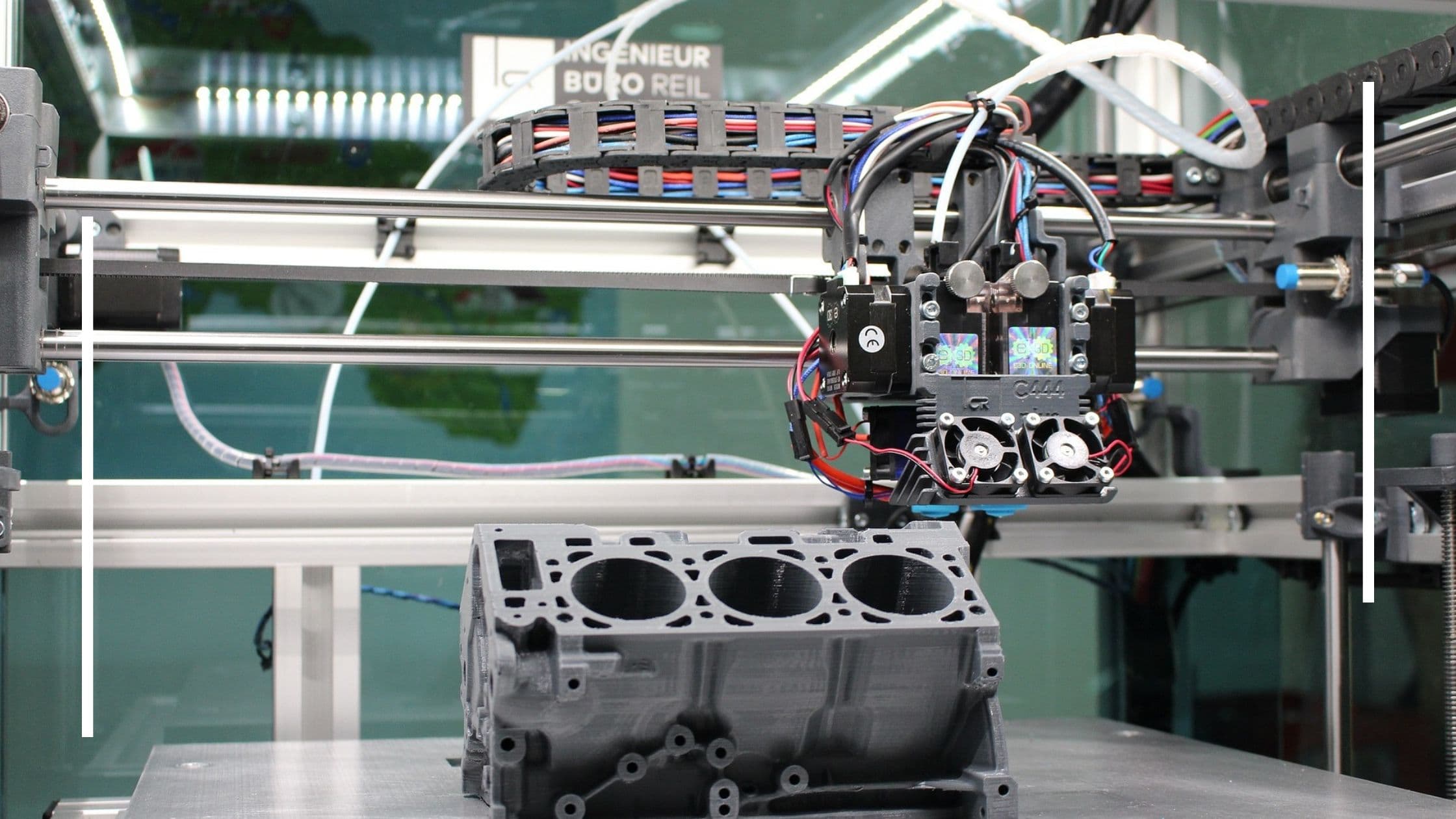
Additive manufacturing enables the production of highly complex metal components that cannot be manufactured using conventional methods. However, metal 3D printing processes such as laser powder bed fusion and directed energy deposition introduce residual stress, anisotropic microstructures, internal porosity, and non-uniform mechanical properties. Post-processing thermal treatment is therefore essential to achieve final material performance and dimensional stability. Vacuum heat treatment and vacuum brazing play a critical role in additive manufacturing workflows by refining microstructure, relieving internal stresses, improving density, and enabling assembly integration without contamination. Typical applications include Aerospace structural components and lightweight assemblies, Medical implants and patient-specific devices, High-performance tooling inserts with conformal cooling channels, Energy and turbine components, Complex heat exchangers and thermal management systems, Hybrid assemblies combining additively manufactured and conventionally machined parts.
How Normantherm Solves It
Stress Relief Processing
Vacuum heat treatment effectively reduces residual stresses in additively manufactured metal parts, improving dimensional stability and structural reliability.

Controlled Atmosphere Protection
High‑vacuum environments protect complex geometries from oxidation, preserving surface quality and internal structural integrity.

Enhanced Mechanical Performance
Optimized solution treatment and aging cycles improve strength, durability, and microstructural consistency across 3D printed components.
Related Industries
Automobile
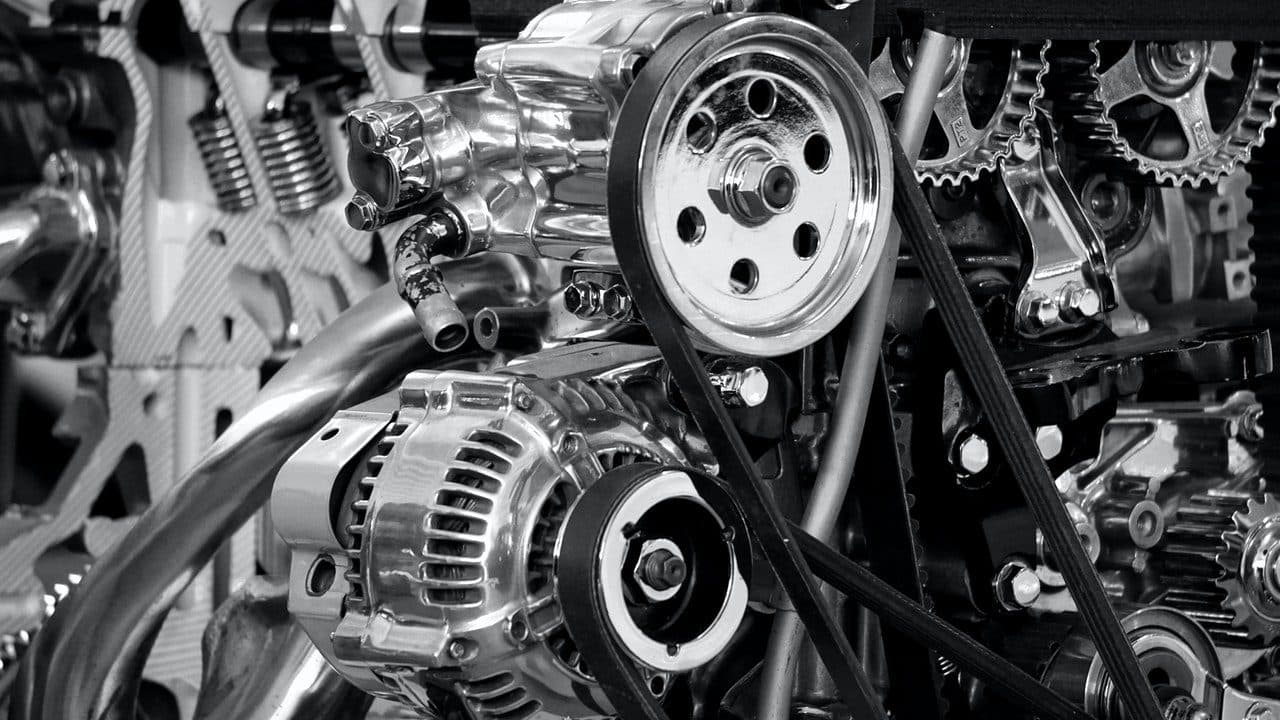
Vacuum brazing and heat treatment technologies are widely used in the automotive industry for manufacturing components that require high structural strength, dimensional stability, and contamination-free processing. Vacuum brazing enables the precise joining of critical parts such as oil coolers, radiators, heat exchangers, transmission components, fuel system assemblies, and EGR (Exhaust Gas Recirculation) coolers, where vacuum heat treatment enhances the material properties, including hardness, wear resistance, fatigue strength, and thermal stability. Typical applications include aluminum cold plates, liquid-cooling heat sink plates, laminated aluminum evaporators, battery cooling systems, high-voltage DC relays, aluminum alloy chassis structures, and carbide-tipped gear hobs.
Aerospace
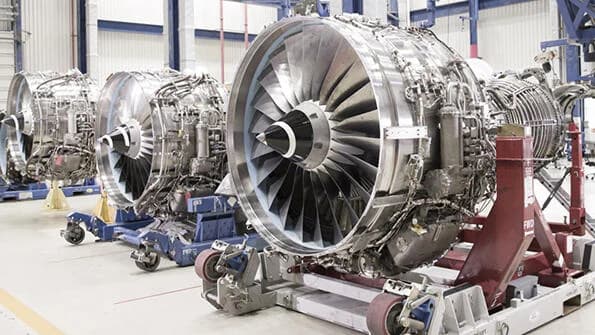
Aerospace components require the highest level of metallurgical control due to extreme operating environments involving high temperatures, cyclic stress, vibration, and oxidation-sensitive materials. Vacuum heat treatment and vacuum brazing are essential for achieving structural integrity, weight optimization, and certified manufacturing quality. Vacuum heat treatment ensures controlled phase transformation and material strength, while vacuum brazing allows precise joining of dissimilar metals and complex assemblies without flux contamination. Common aerospace applications include Turbine blades, jet engine components, Aerospace heat exchangers, fuel system assemblies, structural honeycomb panels, airframe parts, satellite and propulsion system components, and titanium and nickel-based superalloy structures.

Medical
Medical manufacturing requires contamination-free thermal processing to maintain biocompatibility, corrosion resistance, and long-term device reliability. Vacuum annealing, hardening, and brazing provide clean surfaces, strong joints, and stable mechanical properties essential for patient safety and regulatory compliance. Typical applications include Surgical instruments, dental tools, Orthopedic and spinal implants, Implantable electronic devices such as pacemakers and defibrillators, and medical sensor housings and precision assemblies.
Technical Articles
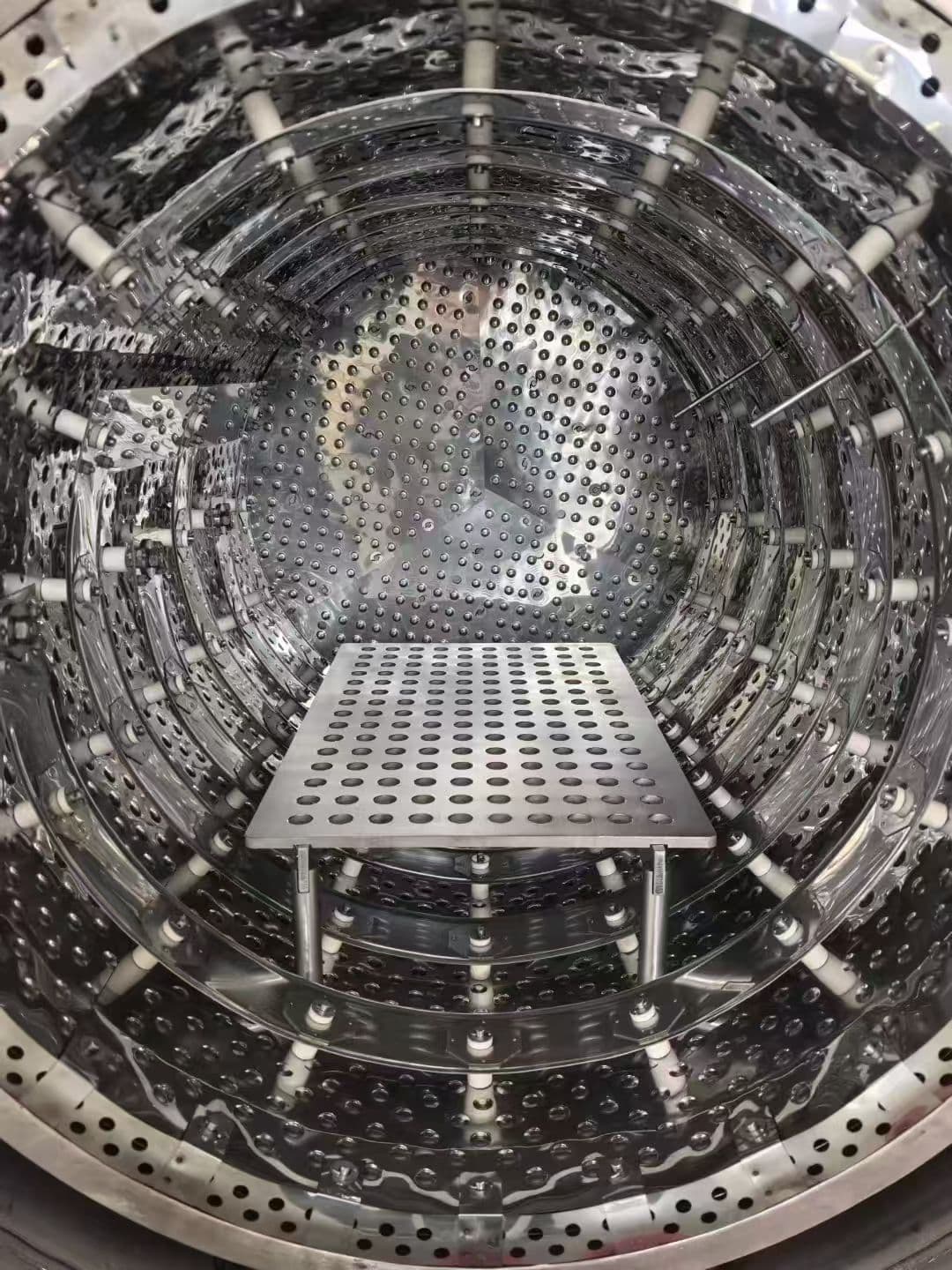
SiC vs Graphite vs Tungsten Hot Zones: Which Is Right for Your Furnace?
The hot zone is one of the most important components of a vacuum furnace. It directly influences the furnace's maximum operating temperature, heating performance, atmosphere compatibility, energy efficiency, maintenance requirements, and suitability for different materials and processes. Among the commonly used hot-zone materials, silicon carbide (SiC), graphite, and tungsten each offer different advantages. Selecting the appropriate material depends on the required processing temperature, vacuum level, atmosphere, workload material, contamination requirements, and application.
Read Full Article
PCD, CVD & MCD Diamond Brazing with Vacuum Furnaces
Normantherm Vacuum Brazing
Read Full Article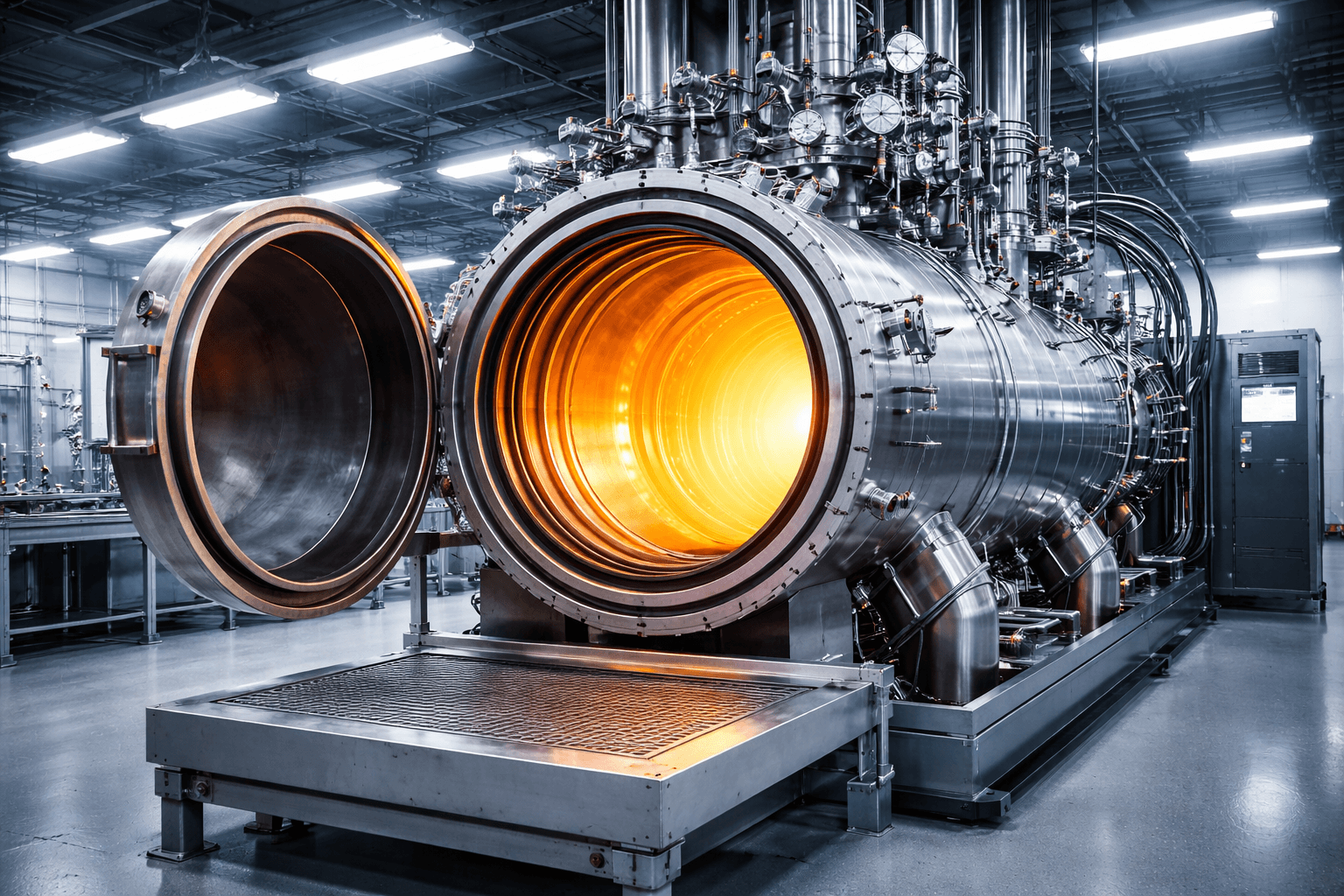
What Industries Benefit the Most from Vacuum Furnace Technology?
Vacuum furnace technology has become an essential part of modern manufacturing, especially in industries where precision, cleanliness, and material performance are critical. Unlike conventional heat treatment methods, vacuum furnaces operate in a controlled environment where air and contaminants are removed. This prevents oxidation, improves metallurgical quality, and ensures consistent results. Because of these advantages, many high-performance industries rely on vacuum furnaces to achieve the quality and reliability required for their components.
Read Full ArticleReady to Upgrade Your Capabilities?
Speak to Our Additive Manufacturing Specialist
Our engineering team can tailor chamber sizes, atmospheric controls, and software integration to your exact specs.