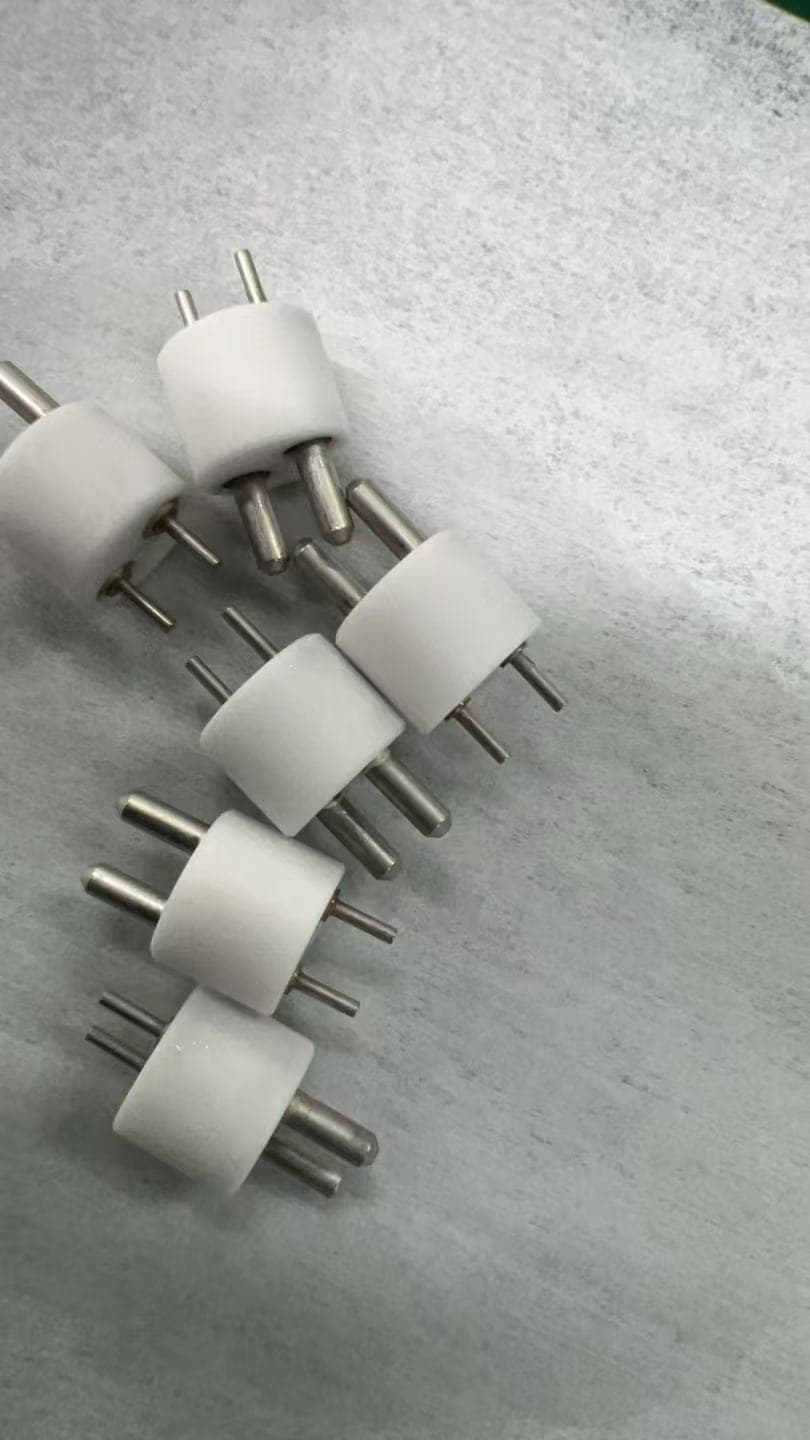
Cathode feedthrough sealing assemblies are critical components in advanced vacuum electronic devices, where electrical conductivity, high-voltage insulation, and reliable hermetic sealing must work together. These assemblies are widely used in ion sources, X-ray tubes, vacuum electron tubes, mass spectrometers, and neutral beam ion sources.
Material Combination and Joining Technology
This assembly consists of three primary materials: Kovar alloy, metallized alumina ceramic, and a tungsten or tungsten-rhenium filament. Each material serves a specific function. Kovar provides a reliable metal sealing interface, alumina ceramic offers excellent electrical insulation and high-temperature stability, while the tungsten-based filament serves as the electrical and functional cathode element.
Joining these dissimilar materials requires precise temperature control and a carefully designed brazing process. Vacuum brazing provides a controlled, low-oxidation environment that helps produce clean and reliable joints. It is particularly suitable for metal-to-ceramic assemblies where joint integrity and vacuum compatibility are essential.
Why Vacuum Brazing Matters
The performance of a cathode feedthrough assembly depends on the quality of its brazed joints. Proper process control helps achieve strong bonding, electrical continuity, effective insulation, and hermetic sealing. Maintaining suitable brazing temperatures, vacuum conditions, and material compatibility is essential to minimizing defects and ensuring consistent assembly performance.
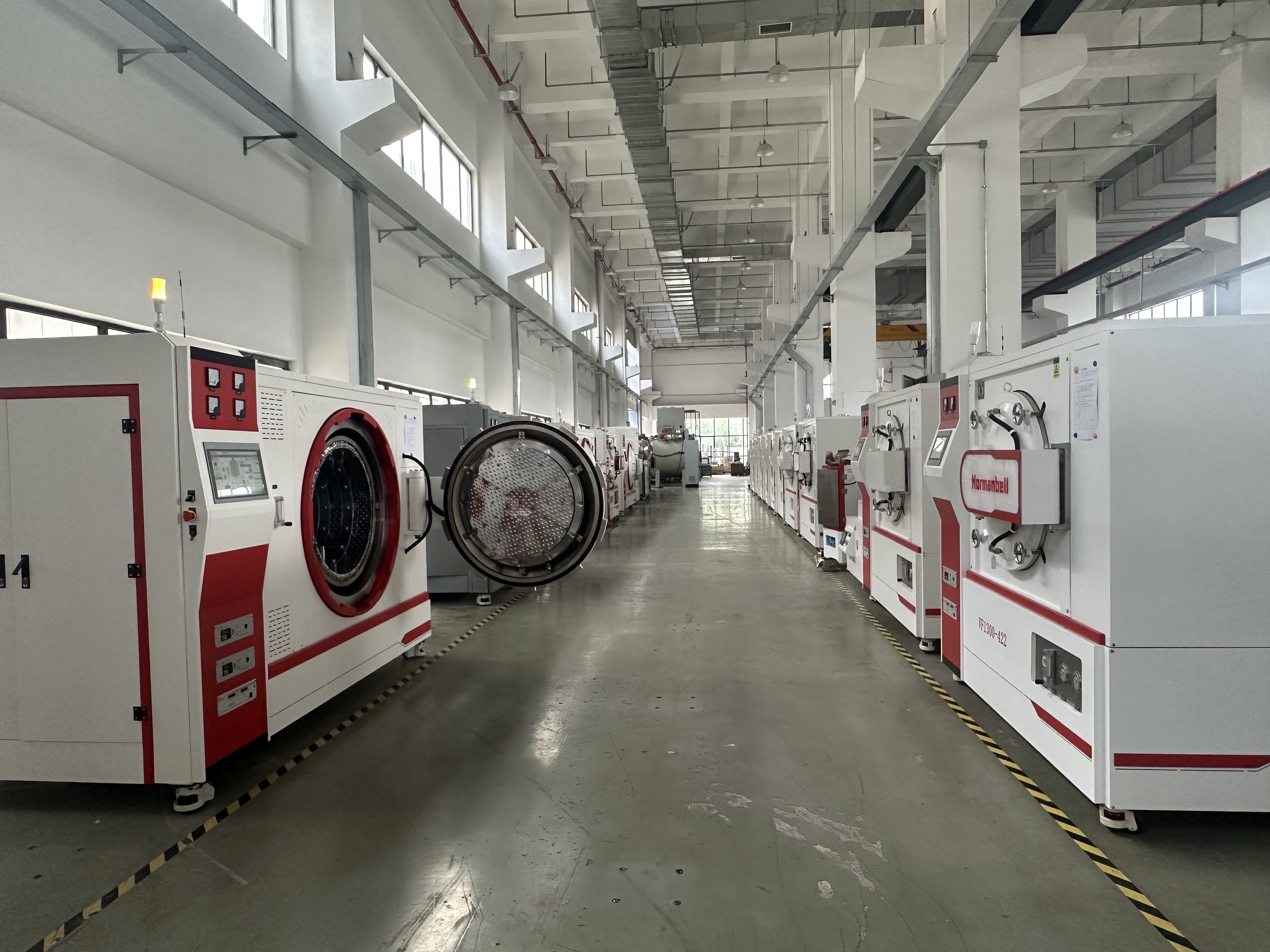
Normantherm Vacuum Furnace Solutions
Normantherm provides advanced vacuum furnace solutions for precision brazing of complex metal-to-ceramic assemblies and other demanding industrial applications. Our vacuum brazing technology supports manufacturers requiring reliable joining processes, controlled thermal cycles, and high-quality brazed components.
From electronic vacuum devices to specialized industrial assemblies, Normantherm delivers vacuum furnace solutions tailored to specific material combinations and application requirements.